Why Regular Tree Maintenance Saves You Money

Regular tree maintenance saves money by preventing costly damage and emergencies. Pruning reduces storm breakage and protects roofs, cars, and utilities. Early detection of pests, decay, and drainage issues enables inexpensive treatments. Root management avoids repairs to sidewalks, driveways, and sewer lines. Healthy, documented trees lower insurance risks and stabilize premiums. Routine inspections keep budgets […]
Tree Pruning vs. Trimming: What’s the Difference?

Pruning removes specific branches to improve health and structure. It targets dead, diseased, crossing, or weak limbs and supports long-term vigor and safety. Trimming reduces outer growth to shape the canopy and maintain clearance from roofs, paths, and utilities, enhancing curb appeal. Winter is best for most pruning; post-bloom for spring-flowering species; summer for light […]
How Trees Improve Air Quality and the Environment

Trees improve air by absorbing CO2 and releasing oxygen through photosynthesis. Leaves and bark filter ozone, nitrogen dioxide, and particulate matter, aided by waxy cuticles and rough surfaces. Roots and soil microbes reduce pollutants and stabilize soil, while canopies slow rainfall and cut runoff. Shade and evapotranspiration cool cities and reduce heat islands, lowering energy […]
The Life Cycle of a Tree Explained

A tree’s life cycle begins as a dormant seed activated by moisture, temperature, and oxygen. It germinates, forms a seedling, and shifts from stored reserves to photosynthesis. As a sapling, it balances root and shoot growth, reaching for light. Maturity brings a broad canopy, strong defenses, and reproductive effort via flowers, cones, and seeds. Trees […]
What Causes Trees to Die Prematurely

Trees die prematurely from compounded stress. Chronic drought and shallow watering shrink canopies and kill fine roots. Compacted or waterlogged soils starve roots of oxygen. Planting too deep and poor site selection trigger girdling roots and rot. Nutrient imbalances and wrong pH impair chlorophyll and growth. Construction severs roots; lawn equipment wounds trunks. Pests, invasive […]
How to Identify Common Tree Diseases
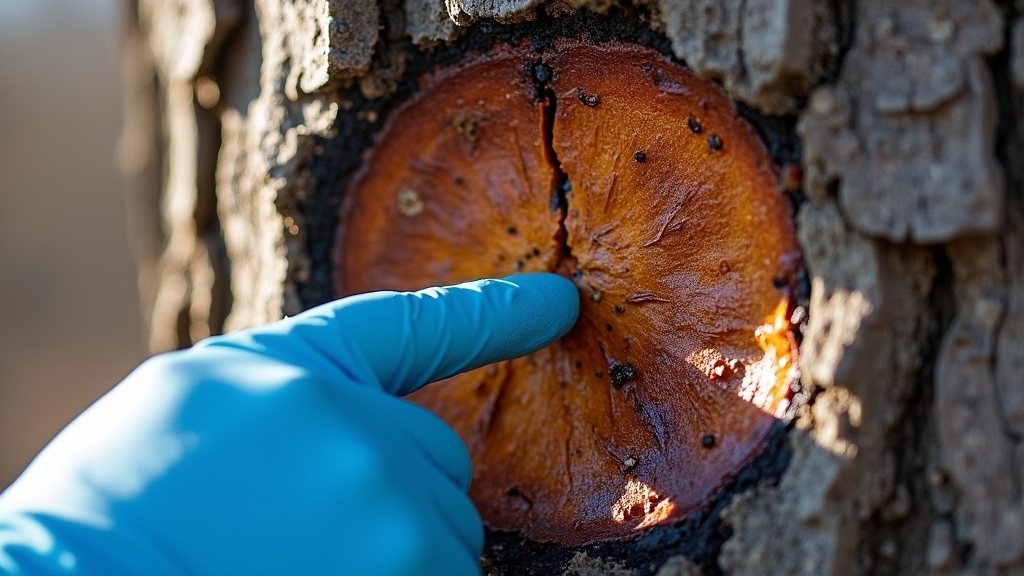
Identify common tree diseases by using a seasonal checklist. Inspect late winter bark for cankers, cracks, and sap bleed. In spring, check uniform budbreak and leaf spots, blotches, or angular water-soaked lesions. Monitor summer wilting, dieback, thinning foliage, and premature fruit drop. Note mushrooms at the root flare, shelf-like conks on trunks, and powdery coatings […]
Why Tree Maintenance Is Essential for Property Value

Routine, standards-based tree maintenance preserves structural integrity and curb appeal, directly elevating property value. ANSI A300 pruning establishes dominant leaders, proper crown ratios, and safe clearances, reducing failure potential and liability. Selective thinning improves light and airflow, enhancing canopy vigor and taper. Inspections by ISA Certified Arborists identify defects, pests, and diseases early, preventing costly […]
Understanding Tree Health: Signs of a Healthy vs. Sick Tree

A healthy tree shows a balanced crown, vigorous seasonal shoot growth, species-typical, turgid foliage, continuous bark and taper, strong U-shaped branch unions, and a visible root flare with uniform soil moisture. Warning signs include chlorosis, patchy defoliation, epicormic shoots, asymmetric dieback, cankers, pitch tubes or D-shaped exit holes, conks or shelf fungi, and hidden flares […]
The Ultimate Guide to Tree Care for Homeowners

This guide outlines seasonal care: spring health checks, summer monitoring, autumn risk prioritization, and winter structure work. It specifies deep, infrequent watering, correct mulch depth and setback, and periodic soil testing with targeted amendments. Pruning focuses on dead, crossing, and weak attachments, with limits on annual removal and dormancy timing; hire certified arborists for high-risk […]