Pruning removes specific branches to improve health and structure. It targets dead, diseased, crossing, or weak limbs and supports long-term vigor and safety. Trimming reduces outer growth to shape the canopy and maintain clearance from roofs, paths, and utilities, enhancing curb appeal. Winter is best for most pruning; post-bloom for spring-flowering species; summer for light trimming. Use clean, sharp tools and avoid topping or flush cuts. DIY small tasks are fine; larger or risky work needs a pro. More useful tips follow.
Key Takeaways
- Pruning selectively removes dead, diseased, crossing, or weak branches to improve long-term structure, health, and safety.
- Trimming reduces outer growth to shape the canopy, maintain clearance from structures, and enhance curb appeal.
- Pruning is biology-driven; trimming is appearance and clearance-driven, focusing on uniform outlines and balanced silhouettes.
- Best timing differs: dormant winter for most pruning; post-bloom for spring-flowering species; summer for light trimming and growth control.
- Use clean, sharp tools and proper cuts; avoid topping and flush cuts—hire professionals for large limbs or work near power lines.
Defining Pruning and Trimming
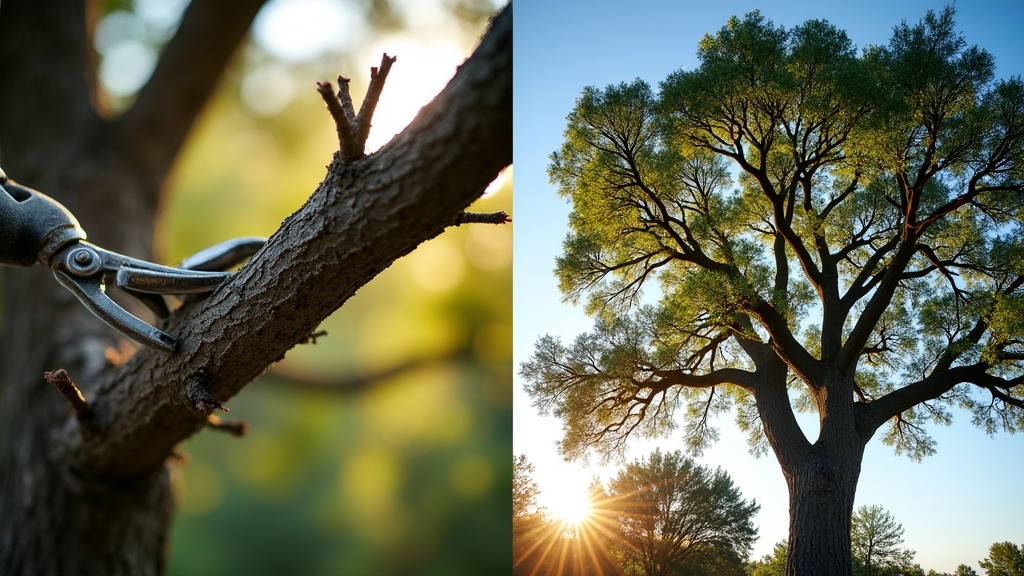
Pruning and trimming are distinct tree care practices with different aims and techniques.
In defining them, pruning refers to the selective removal of specific branches, shoots, or buds to guide structure and function. It targets dead, diseased, crossing, or poorly attached growth, using precise cuts at branch collars and nodes. The focus is on plant biology and long-term form, which clarifies pruning benefits such as improved structure, light penetration, and controlled growth response.
Trimming, by contrast, manages a tree’s outline and clearance by reducing length or density of outer growth. Trimming techniques emphasize uniformity, spacing from structures, and maintenance of a desired silhouette.
Tools and cut placement are less anatomically specific than in pruning, prioritizing consistent edges and predictable regrowth intervals.
Goals: Health, Safety, and Aesthetics
Pruning and trimming serve distinct goals that center on health, safety, and appearance.
Proper cuts promote tree vigor by removing diseased, weak, or competing growth, while targeted reductions prevent property hazards from failing limbs and clearance conflicts.
Clean shaping and balanced canopies enhance curb appeal, reinforcing a tidy, intentional landscape.
Promoting Tree Vitality
Nurture tree vigor by targeting three outcomes: robust health, reliable safety, and refined aesthetics.
Vitality begins with selective pruning that removes dead, diseased, or crossing limbs, improving airflow and light penetration. This fosters balanced growth and supports tree health by reducing stress and pest pressure. Trimming refines canopy shape, directing energy to well-placed branches and sustaining structure.
Correct cuts matter: retain branch collars, avoid flush cuts, and time work to species-specific cycles.
Nutrient management complements pruning; soil testing guides amendments, while mulching preserves moisture and moderates temperature. Adequate watering, especially during establishment and drought, sustains root function.
Monitoring annual growth, leaf color, and canopy density provides feedback. Together, these practices build resilient trees that perform dependably and present a clean, proportionate silhouette.
Preventing Property Hazards
While trees enhance a property’s value, unmanaged growth can create serious hazards that compromise health, safety, and curb appeal.
Pruning and trimming address different risk profiles. Pruning removes dead, split, or rubbing branches that can fail during storms, reducing strike and fire risks. Trimming controls canopy spread near roofs, wires, walkways, and driveways, preserving clearance for vehicles and pedestrians.
A structured hazard assessment identifies defects such as decay pockets, included bark, root upheaval, and poor attachment angles. Findings guide targeted cuts, load reduction, or, when necessary, removal.
Regular property maintenance schedules set intervals for seasonal inspections, wind-load mitigation, and debris cleanup. Proper tool sanitation and correct cut placement limit pathogen entry. Documented work eases insurance compliance and supports municipal safety ordinances.
Enhancing Curb Appeal
Beyond minimizing hazards, thoughtful canopy management shapes how a property looks and feels from the street. Pruning refines structure; trimming tidies edges. Together, they frame architecture, guide sightlines, and lift mood while supporting plant vigor.
When executed with intent, these practices create landscape improvement that reads as deliberate, balanced, and welcoming, raising perceived value and neighborhood harmony through enhanced visual appeal.
- Selective pruning opens views to doors, windows, and signage without stripping character.
- Crown lifting exposes attractive façades and walkways, improving light and perceived space.
- Structural cuts establish symmetry and proportion, aligning tree forms with building lines.
- Seasonal trimming defines clean silhouettes, maintaining curbside neatness between growth flushes.
- Species-aware timing reduces stress, sustaining color, flowering, and leaf density that amplify curb appeal.
Techniques and Tools Used
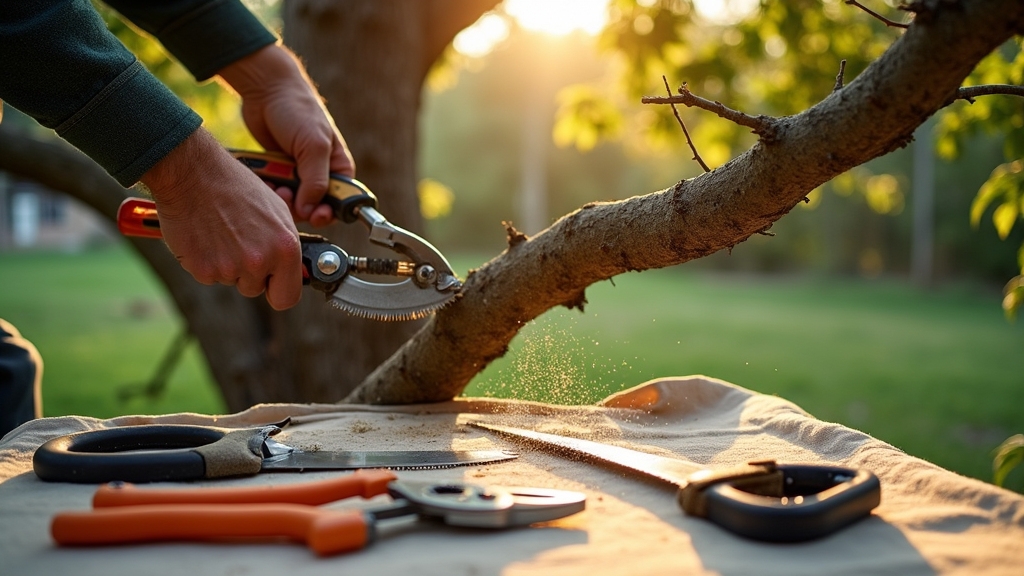
Select techniques and tools based on the goal: pruning for plant health and structure, trimming for shape and appearance.
Pruning techniques focus on removing dead, diseased, crossing, or weakly attached branches. Common methods include crown cleaning, thinning to improve light and airflow, reduction cuts to redirect growth, and structural pruning to establish strong branch unions. Clean, angled cuts just outside the branch collar are essential to support wound closure.
Trimming uses shaping passes to maintain outline and clearance. Trimming tools prioritize efficiency across many small cuts: hedge shears (manual or powered), pole trimmers, and string trimmers for ground-level suckers.
Pruning relies on bypass hand pruners, loppers, pruning saws, and pole saws for precise cuts. Sharp blades, disinfecting between trees, and PPE guarantee safety and plant health.
Best Timing by Season and Species
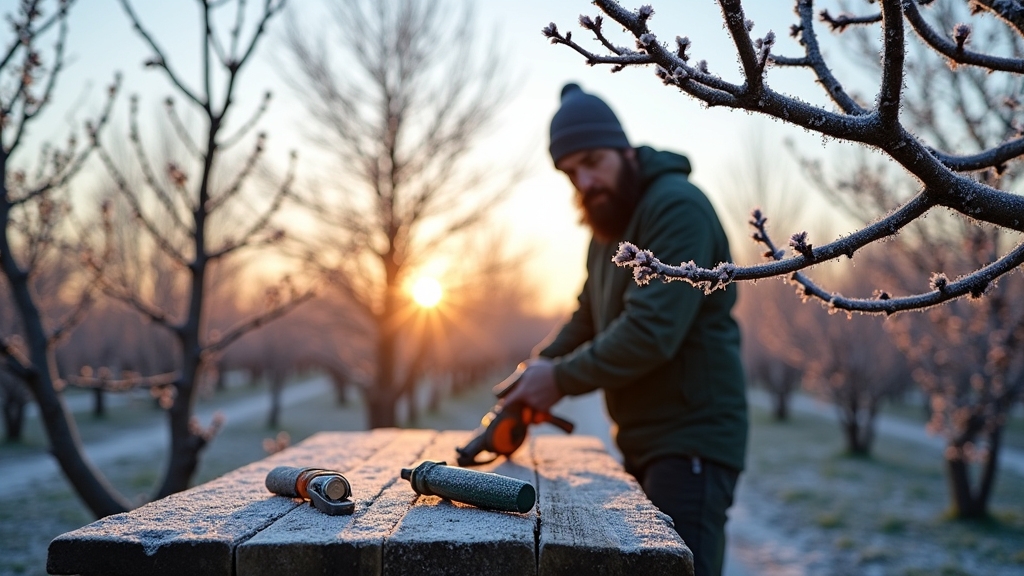
Dormant winter pruning often minimizes disease spread and sets structure before spring growth.
Spring-flowering species require timing after bloom to preserve buds while still correcting form.
Summer trimming focuses on growth control and visibility, with species-specific sensitivity guiding how much to remove.
Dormant Winter Pruning
In many climates, late winter is the ideal window for dormant pruning, when trees are leafless and metabolic activity is minimal. This dormant season reduces sap flow, improves visibility of structure, and limits pathogen pressure.
Pruning during this period suits many hardwoods, including oak, maple, and fruit trees, and distinguishes corrective pruning from aesthetic trimming. Sound tree techniques focus on removing defects and guiding future growth while preserving vigor.
- Prioritize dead, diseased, and crossing branches to lower breakage risk.
- Make clean cuts just outside the branch collar to protect natural defenses.
- Limit removal to roughly 10–25% of live canopy, species dependent.
- Time oak pruning in mid-winter to reduce oak wilt transmission.
- Avoid severe reductions on thin-barked species; use staged cuts across seasons.
Spring Flowering Timelines
Two key factors drive spring pruning timing for flowering trees: whether blooms form on old wood (last year’s growth) or new wood (current season’s shoots), and the species’ typical bloom window. For spring flowering species that bloom on old wood—forsythia, lilac, cherries—prune right after petals drop to avoid removing next year’s buds. For new-wood bloomers—crape myrtle, rose-of-Sharon—shaping can occur late winter to early spring before vigorous growth.
| Bloom window | Wood type | Seasonal pruning tips |
| Early spring | Old wood | Wait until post-bloom; remove spent clusters and crossing shoots |
| Mid-spring | Old wood | Thin lightly within two weeks after flowering |
| Late spring | New wood | Prune before bud break; encourage outward structure |
| Variable | Check species | Confirm bud origin; avoid heavy cuts during bloom |
Clean tools and measured cuts protect health and preserve displays.
Summer Growth Control
Why do some trees handle midsummer cuts better than others? Differences in vigor, carbohydrate reserves, and heat tolerance shape responses to pruning versus trimming.
Summer growth control relies on using seasonal adjustments to reduce excess extension without inviting stress. Light thinning or tip-pinching curbs energy use and redirects resources to structure.
Species timing matters: oaks and elms tolerate midseason work to avoid beetle-vectored diseases, while maples and birches bleed less now, improving wound closure.
- Warm-season pruning slows vigorous shoots on fast growers, stabilizing form.
- Fruit trees benefit from summer trimming to balance crop load and light.
- Avoid heavy cuts during drought; prioritize hydration and mulch.
- Conifers accept candle-pinching; avoid removing older needles.
- Delay work on heat-stressed or newly transplanted trees.
Signs Your Tree Needs Pruning vs. Trimming
How can a homeowner tell whether a tree is asking for pruning or trimming? Observers should look for pruning symptoms tied to structure and health: dead, diseased, or crossing branches; weak unions; or limbs rubbing a roof. Trimming indicators point to shape and clearance: leafy overgrowth blocking views, uneven canopy, or branches encroaching walkways and lines. Season and species matter, but visible cues guide the decision.
| Needs Pruning | Needs Trimming |
| Deadwood, decay pockets, or split crotches | Dense outer growth reducing light/airflow |
| Branches crossing or abrading bark | Overextended tips spoiling form or balance |
| Storm-damaged or pest-infested limbs | Low limbs interfering with paths or sightlines |
When in doubt, prioritizing safety-related pruning comes first; then, selective trimming refines appearance and manages space.
Common Mistakes to Avoid
Although both practices aim to keep trees healthy and presentable, several recurring errors undermine results and safety. Clarity about goals—structure versus appearance—prevents missteps.
Pruning mistakes often stem from removing the wrong branches, while trimming errors typically arise from excessive shaping. Precision cuts and timing matter; so does understanding tree biology.
Pruning falters with wrong cuts; trimming errs by over-shaping. Timing, precision, and tree biology are crucial.
- Topping or lion-tailing: stripping canopy mass causes sunscald, weak regrowth, and structural failure.
- Flush cuts and stub cuts: wounds either too close or too far from the branch collar hinder proper sealing and invite decay.
- Over-thinning: removing too much interior foliage stresses the tree and increases wind throw risk.
- Poor timing: heavy cuts during active growth or extreme heat/cold deplete reserves and slow recovery.
- Dirty or dull tools: torn tissue and pathogen spread compound damage and prolong healing.
DIY or Hire a Professional?
Given the costly consequences of common mistakes, the next decision is whether to handle the work personally or engage an arborist. The choice turns on cost considerations, safety concerns, skill levels, and project scope.
Homeowners with moderate skill levels may safely tackle light trimming from the ground using clean tools and clear plans. However, pruning large limbs, working near power lines, or operating chainsaws introduces significant safety concerns that favor professional help.
Project scope matters: routine seasonal touch-ups differ from structural pruning, storm damage mitigation, or canopy reduction.
Cost considerations include not only fees, but also equipment, disposal, and time. Professionals bring training, insurance, and proper gear, which can reduce risk and rework.
When uncertainty persists, consultation offers a balanced, informed path.
Impact on Tree Health and Property Value
When executed correctly, pruning and trimming directly influence both a tree’s long-term health and a property’s market appeal. Proper cuts reduce disease vectors, balance canopies, and direct energy to vigorous growth, improving tree longevity.
Proper pruning boosts tree longevity and curb appeal by reducing disease and directing vigorous growth.
Clear sightlines, proportion, and seasonal shape maintenance elevate property aesthetics and perceived care, often boosting valuation. Conversely, over-thinning or topping weakens structure, raises failure risk, and detracts from curb appeal.
- Strategic pruning removes crossing, diseased, or dead limbs, lowering decay and storm breakage.
- Structural training in youth develops strong branch unions, reducing future liabilities.
- Canopy clearance protects roofs, gutters, and utilities, minimizing maintenance costs and claims.
- Timely trimming frames facades and walkways, strengthening visual symmetry and marketability.
- Documented maintenance records reassure buyers and insurers, evidencing responsible stewardship.
Frequently Asked Questions
How Do Local Ordinances Regulate Tree Pruning and Trimming on Private Property?
Local ordinances typically regulate pruning by permits, species protection, seasonal limits, and safety standards. They balance local regulations with property rights, requiring neighbor clearance rules, utility coordination, and fines for violations, while allowing reasonable maintenance to prevent hazards and preserve canopy.
Are Permits Required Before Pruning or Trimming Heritage or Protected Trees?
Yes, permits are typically required. Authorities often mandate approvals before pruning or trimming heritage trees or protected species, defining allowable work, arborist certifications, timing restrictions, and mitigation. Applicants should verify local ordinances, environmental overlays, and penalties for unauthorized activity.
What Insurance Should a Homeowner Verify Before Hiring Tree Services?
A homeowner should verify general liability coverage, workers’ compensation, and property damage policies. They should also confirm service qualifications: certifications (ISA), licensing, written estimates, safety protocols, and references. Proof of insurance and endorsements should be current and verifiable.
Can Pruning or Trimming Affect Neighbor Disputes Over Overhanging Branches?
Yes. Proper pruning or trimming can reduce branch disputes by preventing encroachment across property lines, minimizing damage risks, and clarifying responsibility. Poorly executed cuts may escalate tensions, cause tree injury, or create liability, so documentation, neighbor communication, and local ordinance compliance matter.
How Do Pruning Activities Influence Wildlife Habitats and Nesting Protections?
Pruning activities influence wildlife by timing and technique: done outside breeding seasons, they support habitat preservation and nesting safety; poorly timed or excessive cuts displace birds, bats, and insects, whereas selective, minimal pruning maintains shelter, food sources, and legal compliance.
Final Thoughts
Understanding the difference matters: pruning safeguards long-term health, structure, and safety, while trimming refines shape and maintains clearance. With the right timing, clean cuts, and species-aware techniques, you’ll reduce risk, strengthen form, and elevate curb appeal—without stressing your trees. When the work involves large limbs, ladders, or utilities, bringing in experts prevents costly mistakes and protects both trees and property.
For dependable, professional results, partner with Tinley Park Tree Service. Explore our tree pruning service for structural corrections and defect removal, or our tree trimming service to keep silhouettes tidy and clear of roofs, walks, and lines. If an inspection reveals hazards, we also offer tree removal and stump grinding. Prefer to compare options first? Visit our services page or learn more about our team.
Ready to give your trees the right care at the right time?
Contact Tinley Park Tree Service to schedule a safety check, pruning plan, or seasonal trimming visit tailored to your property.