Regular tree maintenance saves money by preventing costly damage and emergencies. Pruning reduces storm breakage and protects roofs, cars, and utilities. Early detection of pests, decay, and drainage issues enables inexpensive treatments. Root management avoids repairs to sidewalks, driveways, and sewer lines. Healthy, documented trees lower insurance risks and stabilize premiums. Routine inspections keep budgets predictable and extend tree lifespan, delaying expensive removals. Improved curb appeal supports higher property values and faster sales. The next sections explain how to capture these savings.
Key Takeaways
- Early inspections catch issues like decay or pests, avoiding expensive emergency removals and repairs.
- Pruning reduces storm breakage, preventing costly damage to roofs, vehicles, and utilities.
- Root management protects sewer lines, sidewalks, and driveways, lowering infrastructure repair bills.
- Healthy, well-documented trees improve insurance risk profiles, stabilizing premiums and deductibles.
- Consistent care boosts curb appeal and property value, supporting higher resale returns.
The Hidden Costs of Neglecting Your Trees
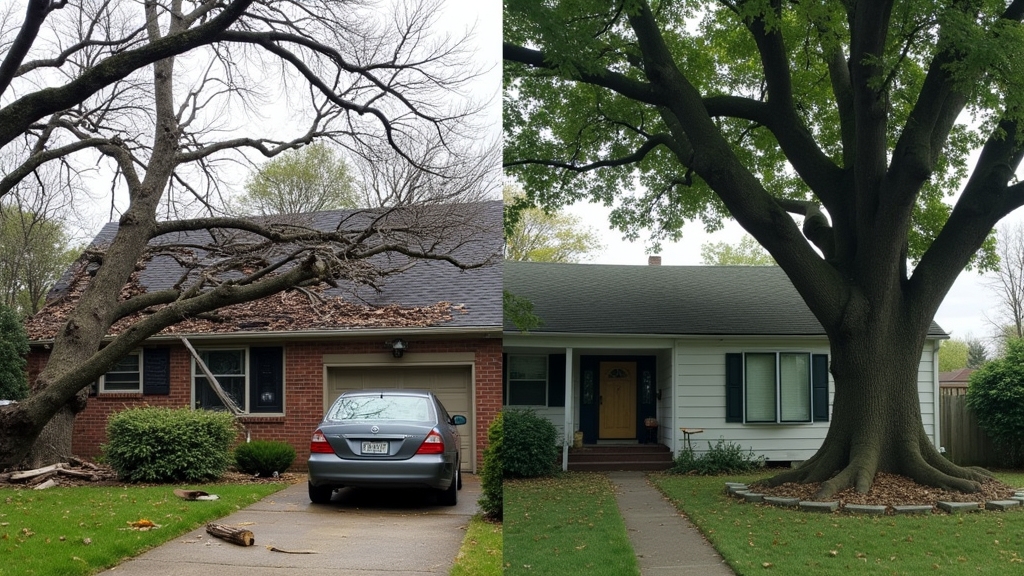
Although neglected trees may seem inconsequential in the short term, the cumulative costs can be substantial.
Tree neglect often leads to gradual decline that increases the financial impact across a property. Deadwood buildup can break and damage roofs, vehicles, or fencing, triggering repair bills and insurance claims with higher premiums.
Overgrown canopies reduce sunlight, weakening lawns and gardens and raising landscaping expenses. Invasive roots can infiltrate sewer lines, lift sidewalks, and crack driveways, adding civil repair costs and potential liability.
Declining trees also reduce curb appeal and property value, affecting resale outcomes. Municipal citations for hazardous conditions can produce fines and mandated removals.
When structural integrity fails, full removal and stump grinding exceed routine care—compounding the financial impact of avoidable tree neglect.
Early Problem Detection Prevents Expensive Emergencies
Neglect’s mounting costs underscore why early problem detection matters. Catching issues before they escalate often means the difference between a modest service visit and a major removal or property repair.
Routine assessments reveal early warning signs—subtle leaf discoloration, bark splitting, or soil heaving—that point to hidden problems. When identified promptly, targeted treatments are cheaper, safer, and less disruptive than crisis responses.
Early signs—discolored leaves, bark splits, soil heaves—enable swift, safer fixes over costly crises.
- Spotting decay at the base can shift action from emergency takedown to manageable cabling or soil care.
- Identifying pest activity early often limits treatment to a focused application instead of whole-tree replacement.
- Noticing drainage problems sooner allows inexpensive grading rather than foundation repairs.
Pruning Practices That Reduce Storm Damage
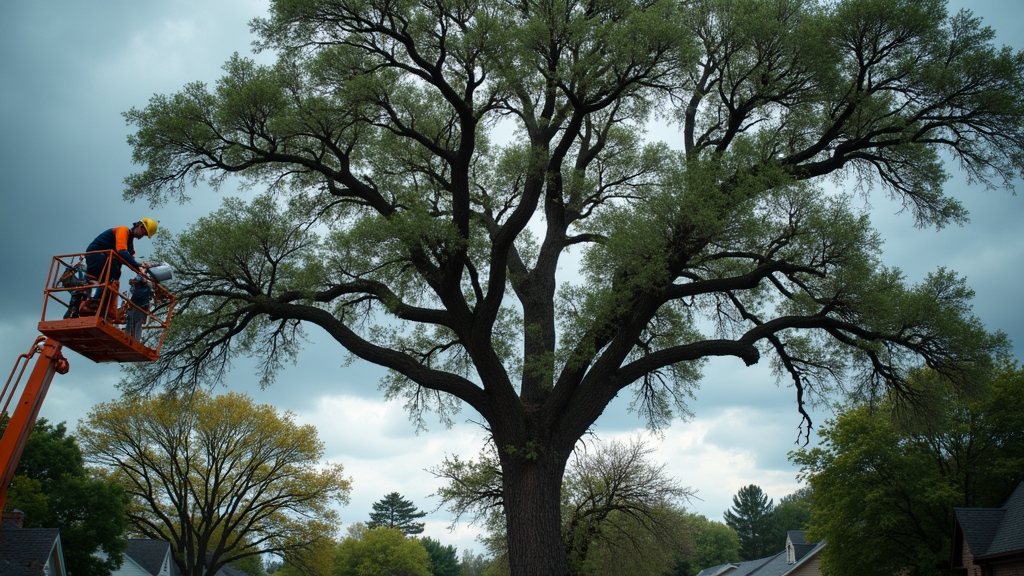
Pruning to remove weak, diseased, or crossing branches lowers breakage risk during high winds.
Structured cuts that favor a dominant leader and well-spaced scaffold limbs promote a stronger canopy.
Maintaining clearances from utilities prevents hazardous contacts and reduces outage and property damage potential in storms.
Remove Weak Branches
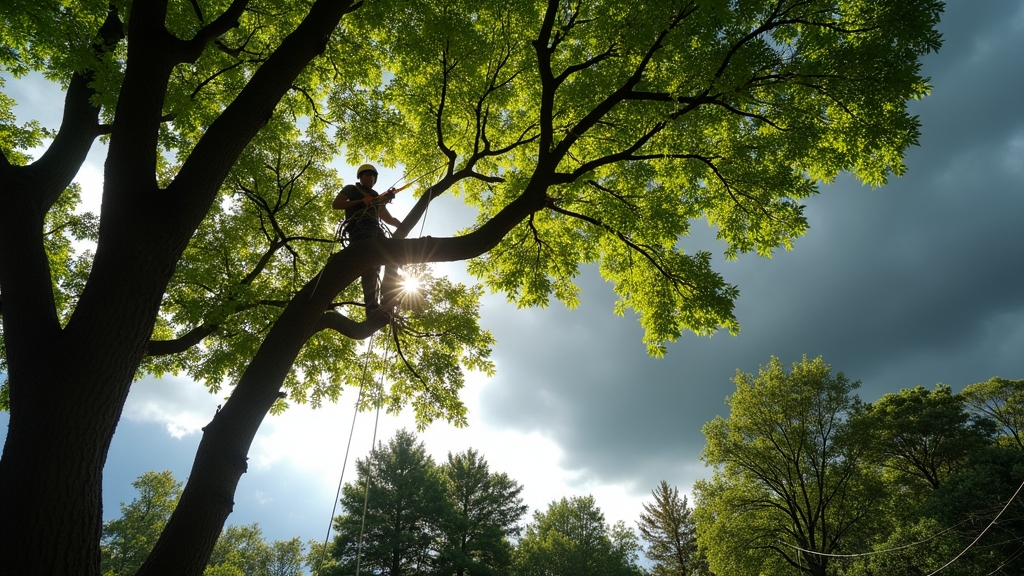
Target weak, defective branches before storms turn them into hazards. Removing compromised limbs improves branch stability and prevents costly property damage.
A planned inspection identifies deadwood, cracks, and narrow, rubbing unions that fail under wind load. Proper pruning techniques focus on clean cuts at the branch collar, avoiding flush cuts that invite decay. By reducing lever arms and weight at the canopy edge, trees shed wind more safely, lowering emergency removal expenses.
- Look for warning signs: dead tips, fungal fruiting bodies, bark splits, and branches over roofs or driveways.
- Prioritize cuts on crossing limbs and torn stubs that channel water and pathogens into the stem.
- Schedule seasonal checks after heavy storms and during dormancy, documenting changes to catch weaknesses early.
Encourage Strong Structure
Addressing weak, defective branches is only part of storm readiness; shaping a resilient framework helps trees withstand wind over the long term.
Arborists guide leaders and scaffold branches early, promoting structural integrity that reduces leverage and breakage under load. Selective thinning maintains balanced growth, letting wind pass through the canopy rather than pushing against a dense sail.
Emphasis is placed on one dominant central leader, well-spaced laterals, and strong branch unions with appropriate attachment angles.
Subordination cuts keep competing stems in check without over-pruning. Reduction cuts shorten overextended limbs to shift weight inward, decreasing strain at attachment points.
Consistent, moderate interventions over several seasons build symmetry and wind firmness. This approach minimizes failures, lowers emergency response costs, and extends the service life of valuable trees.
Clear Utility Clearances
While storms cannot be prevented, strategic clearance around power lines and service drops markedly reduces outages and limb failures.
Effective utility line management focuses on pruning branches to maintain safe distances, guiding growth away from energized conductors. This approach decreases wind-throw leverage and prevents abrasion that weakens bark.
Before any cut, arborists perform tree height assessment and canopy mapping to predict sway and clearance under load. They then prioritize directional pruning rather than topping, preserving structure while limiting regrowth conflicts.
- Improve reliability by removing strike-prone limbs that could bridge phases or snap service drops.
- Lower emergency costs through scheduled pruning instead of reactive storm response.
- Protect property by reducing conductor flashover, arcing, and debris impacts.
Routine inspections align tree form with utility safety standards and extend service life.
How Healthy Trees Lower Insurance Risks
Because well-maintained trees are structurally sound and predictable, they reduce the likelihood of property damage, injury claims, and emergency calls that drive premiums upward.
Insurers notice fewer loss events when canopies are pruned, deadwood is removed, and defects are monitored. Healthy trees withstand wind better, shed fewer hazardous parts, and present a lower exposure profile.
Underwriters rely on visible conditions and documented care to inform risk assessments. When arborists provide inspection records and maintenance schedules, carriers can justify favorable terms.
Some policies reflect these signals through reduced deductibles or stabilized insurance premiums over time. Proactive care also demonstrates responsible ownership, which supports renewal negotiations.
In short, routine inspections and timely interventions translate biological stability into quantifiable risk reductions insurers can price.
Avoiding Property Damage From Roots and Falling Limbs
Preventing property damage starts with early hazard detection, identifying cracked limbs, heaving soil, or root flare issues before failure occurs.
Root barrier strategies can redirect aggressive roots away from foundations, driveways, and utility lines without compromising tree stability.
Pruning to prevent breakage targets weak unions and overextended limbs to reduce the likelihood of storm-related failures.
Early Hazard Detection
Spot potential problems before they escalate by routinely inspecting trees for signs of root and limb hazards.
Early hazard detection relies on systematic tree inspection and clear hazard assessment to identify weaknesses that could lead to property damage. Observers look for stress indicators in roots, trunks, and canopy structure, prioritizing prompt action when risks are found.
- Look for soil heaving, exposed roots, or sudden leaning, which may signal destabilization near foundations, sidewalks, or driveways.
- Check for deadwood, cracked limbs, or weak branch unions; these defects often fail during storms and high winds.
- Examine trunk cavities, fungal conks, and bark splits; such signs indicate decay that undermines structural integrity.
Documenting findings and scheduling corrective pruning or cabling reduces liability and emergency costs.
Regular monitoring extends tree life and protects assets.
Root Barrier Strategies
Install root barriers to direct growth away from foundations, driveways, and underground utilities, reducing conflicts that lead to cracks, heaving, and moisture intrusion.
Strategic barrier installation reshapes root systems by guiding lateral spread downward or along safe corridors, preserving tree health while protecting structures.
Material choice matters: high-density polyethylene, rigid panels, or treated geotextiles resist penetration and decay.
Depth and placement align with species vigor, soil type, and anticipated mature canopy radius.
Trenching must avoid severing major structural roots, maintaining stability and nutrient uptake.
Incorporating inspection ports enables monitoring of redirected growth and soil moisture.
Coordinating barriers with irrigation and mulch prevents roots from seeking water at hardscape edges.
Periodic assessments verify effectiveness, minimizing repair costs, utility conflicts, and landscape disruptions over time.
Pruning to Prevent Breakage
Thoughtful pruning reduces the likelihood of limb failure and root-related hazards by managing structure, weight distribution, and clearance before storms or growth surges create stress points.
By removing weak unions and reducing overextended branches, a tree carries less leverage in wind, minimizing breakage that could damage roofs, vehicles, or utilities.
Strategic thinning also encourages deeper rooting rather than surface heaving that can disrupt sidewalks and foundations.
- Uses targeted pruning techniques to shorten lever arms, lighten end-weight, and correct co-dominant stems that split under load.
- Aligns work with seasonal timing to optimize wound closure, reduce disease pressure, and protect nesting wildlife schedules.
- Preserves essential clearance from structures and lines, directing growth away from conflict zones and lowering emergency callouts.
Professionals assess species, defects, and site exposure to calibrate cuts and intervals.
Pest and Disease Management That Protects Your Landscape
Why do healthy trees suddenly decline despite regular care? Often, unseen insects and pathogens drive the damage long before symptoms appear. Proactive pest control and disease prevention catch problems early, limiting costly removals, property risks, and landscape replacements.
A detached inspection plan focuses on timing and thresholds. Monitoring includes looking for exit holes, frass, sap bleed, leaf distortion, cankers, and dieback. When indicators cross action levels, interventions escalate: pruning infected limbs, sanitizing tools, and applying targeted treatments that spare beneficial organisms.
Selecting resistant species, spacing appropriately, and improving airflow reduce infection pressure and insect habitat.
Recordkeeping—species, pest history, treatment dates—guides precise responses and avoids overapplication. Engaging certified arborists for diagnostics and calibrated applications guarantees compliance, minimizes collateral damage, and preserves tree value over decades.
Soil Care and Mulching for Long-Term Savings
While pests and pathogens demand vigilance aboveground, long-term tree vigor is built from the soil up. Consistent soil care keeps roots active, reduces stress, and limits expensive interventions. Testing identifies deficiencies in soil nutrients, guiding targeted amendments rather than guesswork. Organic matter increases water-holding capacity and microbial activity, translating into steadier growth and fewer drought-related callbacks.
- Apply a 2–4 inch layer of wood chips, keeping mulch off the trunk; mulch benefits include moisture conservation, moderated temperatures, and weed suppression.
- Water deeply but infrequently; this trains roots downward and prevents surface compaction, reducing irrigation costs over time.
- Aerate compacted zones and top-dress with compost to boost soil nutrients and structure, improving fertilizer efficiency.
Proper soil care and mulching minimize replacement costs and stabilize annual maintenance budgets.
Extending Tree Lifespan to Delay Costly Removals
Regular upkeep extends a tree’s productive years and postpones expensive removals.
Proactive pruning reduces structural stress and allows early disease detection through clearer canopy inspections.
Sound soil management and calibrated watering sustain root vigor, improving resilience to pests and weather extremes.
Proactive Pruning Benefits
Few tree care practices deliver more long-term value than proactive pruning. When performed with correct pruning techniques and mindful seasonal timing, pruning guides structure, improves airflow, and reduces failure risks.
By removing competing leaders, crossing branches, and weak attachments early, trees allocate energy efficiently, strengthening canopy and roots. This targeted care delays expensive removals by minimizing storm breakage, property damage, and emergency calls.
- Shapes young trees for balanced architecture, lowering future maintenance and supporting longer service life.
- Reduces limb weight over structures and walkways, cutting liability and insurance exposure.
- Enhances light penetration, supporting healthier growth and lower pest pressure without over-thinning.
Homeowners and property managers who plan routine structural pruning every few years spend less over time. Consistent, skilled cuts prevent big fixes later and preserve mature assets.
Early Disease Detection
Building on the structural benefits of proactive pruning, early disease detection further extends a tree’s service life by addressing problems before they escalate.
Routine inspections provide an early warning of pathogens, borers, or cankers, allowing targeted responses before decay compromises critical limbs or the trunk. A systematic disease assessment focuses on leaf discoloration patterns, abnormal sap flow, bark lesions, dieback progression, and fungal fruiting bodies.
When issues are flagged early, arborists can isolate affected tissue, adjust canopy loads, and apply appropriate treatments, preserving vigor and stability.
This approach reduces the likelihood of hazardous failures that trigger emergency removals and property damage. By intervening at the first signs of decline, managers extend useful lifespan, defer major expenditures, and maintain predictable maintenance budgets through planned, minimally invasive care.
Soil and Watering Practices
How does soil management quietly determine whether a tree thrives or declines? Through consistent soil enhancement and calibrated watering techniques, roots gain the oxygen, nutrients, and moisture balance needed to resist stress.
Healthy roots anchor stability, reduce pest pressure, and delay costly removals by extending lifespan.
Practical choices matter: mulching moderates temperature and moisture, while avoiding soil compaction preserves pore space for air and water.
Irrigation should be deep and infrequent, adjusted to soil texture and season, preventing rot from overwatering and decline from drought.
- Apply 2–4 inches of organic mulch, keeping it off the trunk flare for root health.
- Test soil periodically to guide targeted soil enhancement and pH correction.
- Use slow, deep watering techniques; verify moisture with a probe before irrigating.
Seasonal Inspections That Keep Budgets Predictable
Routine seasonal inspections transform tree care from reactive spending into a planned, predictable line item.
By tracking seasonal trends—spring growth, summer stress, autumn shedding, and winter dormancy—property managers can time pruning, fertilization, and pest checks before issues escalate. This cadence turns surprises into scheduled tasks.
A clear checklist supports budgeting strategies: inspect canopies for deadwood, evaluate root flare exposure, note pest signs, test soil moisture, and verify mulch depth.
Findings determine modest, recurring actions—light pruning, cabling adjustments, or targeted treatments—instead of costly removals or emergency calls.
Documentation from each visit creates a maintenance baseline, enabling accurate annual forecasts and vendor coordination.
Over time, consistent inspections extend tree health, reduce liability risks, and smooth cash flow, keeping maintenance expenses steady and predictable.
Boosting Curb Appeal and Home Value With Maintenance
Predictable, well-documented inspections do more than stabilize budgets—they shape a landscape that looks cared for year-round, which buyers and appraisers notice.
Consistent pruning, crown thinning, and hazard removal elevate landscape aesthetics by revealing architecture, improving light, and framing entries. Healthy canopies signal low future risk, which positively influences perceived maintenance costs and property appreciation.
Consistent pruning reveals architecture, improves light, and frames entries—healthy canopies signal low risk and boost property value.
- Neat sightlines: Trimmed branches reveal façades, address numbers, and outdoor lighting, increasing approachability and first impressions.
- Seasonal consistency: Balanced canopies and clean understories keep photos and showings attractive in any month.
- Health cues: Absence of deadwood and pests suggests diligent stewardship, reducing buyer uncertainty.
Strategic spacing prevents overcrowding that hides windows or damages paving.
Mulched, well-watered root zones reduce stress, preserving leaf color and density.
The result: stronger curb appeal, quicker offers, and higher valuations.
Choosing Professional Services Versus DIY: Cost Considerations
A clear cost comparison starts with scope, risk, and equipment. A homeowner may handle light pruning, but large removals, high canopies, or trees near power lines escalate hazards and insurance exposure.
In a cost analysis, DIY seems cheaper upfront—tools and time—yet hidden costs include equipment rental, disposal fees, and potential property damage.
A service comparison weighs professional crews’ bundled benefits: certified expertise, liability coverage, specialized gear, and efficient debris handling.
Professionals reduce injury risk and minimize collateral damage, preserving long-term value. They also identify disease or structural issues early, preventing expensive failures.
The deciding metric is total cost of ownership: upfront price plus risk-adjusted consequences.
When stakes are low, DIY can suffice; when complexity rises, professional services generally yield better lifetime economics.
Frequently Asked Questions
How Often Should I Budget for Routine Tree Maintenance Each Year?
They should budget for routine tree maintenance once or twice annually. Tree care frequency varies by species, age, and risk. Budgeting tips: allocate seasonal funds, plan inspections, prioritize pruning, account for emergencies, and compare quotes to optimize costs.
What Tax Incentives or Rebates Exist for Urban Tree Care?
Several incentives exist: municipal rebates for planting, state urban forestry grants, and limited federal programs. Homeowners rarely get tax deductions, but businesses may deduct qualifying maintenance as expenses. Local utility bill credits and stormwater fee reductions sometimes apply. Verify jurisdiction-specific eligibility.
Do Maintenance Plans Include Debris Hauling and Disposal Fees?
Yes, many maintenance plans include debris hauling and debris disposal, but coverage varies by provider. Contracts should clarify what’s bundled, itemized maintenance costs, volume limits, green-waste recycling options, and any surcharges for stump grinding, emergency storm cleanup, or oversized loads.
Can Smart Sensors or Apps Help Schedule Cost-Effective Tree Care?
Yes. Smart technology uses sensors and apps to monitor moisture, growth, pests, and stress, predicting ideal service windows. Data-driven alerts prioritize urgent issues, align crew scheduling, protect tree health, reduce wasteful visits, and lower costs through preventive, timely interventions.
How Does Tree Maintenance Affect Solar Panel Efficiency and Shading?
Tree maintenance directly influences solar panel performance by controlling shading. With proactive shade management—pruning, canopy thinning, and species selection—panels receive consistent sunlight, boosting solar efficiency, reducing soiling from debris, preventing hotspot damage, and stabilizing energy output across seasons as trees grow.
Final Thoughts
Regular tree care is the most cost-effective way to protect your property and your budget. Proactive inspections catch decay, pests, and drainage issues before they become emergencies; selective pruning reduces storm-breakage risks; and root management prevents hardscape and utility damage. Healthy, well-documented trees also improve insurance profiles and bolster curb appeal—supporting higher resale value and fewer surprise expenses down the line.
If you’d like predictable costs and professional results, partner with Tinley Park Tree Service. Explore our services—from tree pruning and tree trimming to tree removal and stump grinding. For a deeper dive on why expertise matters, see the importance of hiring a professional tree service company and why you should hire professional tree services.
Ready to lock in savings and reduce risk?
Contact Tinley Park Tree Service to schedule a cost-saving inspection or set up a maintenance plan tailored to your property.