You can identify a dead or hazardous tree by checking for dead branches, cracks, or weaknesses. Look for signs like yellowing leaves, fungal growth, or insect infestations. Evaluate the tree’s location and potential risks to people or property. If you’re unsure, it’s vital to take action – you’ll want to learn more about what to do next to guarantee your safety and the tree’s future.
Key Takeaways
- Check for dead branches and cracks in the tree.
- Inspect tree bark for damage or discoloration.
- Look for fungal growth or insect infestations.
- Evaluate tree location near people or property.
- Monitor leaves for yellowing, browning, or wilting.
How to Identify a Dead or Hazardous Tree
What sets a dead or hazardous tree apart from a healthy one? You’ll need to conduct a tree identification to determine its status.
Look for signs that indicate a tree’s health is declining. When you assess a tree, you’re doing a hazardous assessment to identify potential risks. You’re checking for dead branches, cracks, or weaknesses that can lead to breakage.
By evaluating the tree’s condition, you can decide if it’s safe or not. Consider the tree’s location and proximity to people or property. Your goal is to identify potential hazards before they cause damage.
Effective tree identification and hazardous assessment can help you make informed decisions about tree care or removal. You can’t fix what you don’t know is broken, so take the time to inspect the tree thoroughly.
Common Signs of Tree Decline and Hazard
You’ve assessed the tree’s overall condition, now it’s time to look for specific signs that indicate decline and hazard.
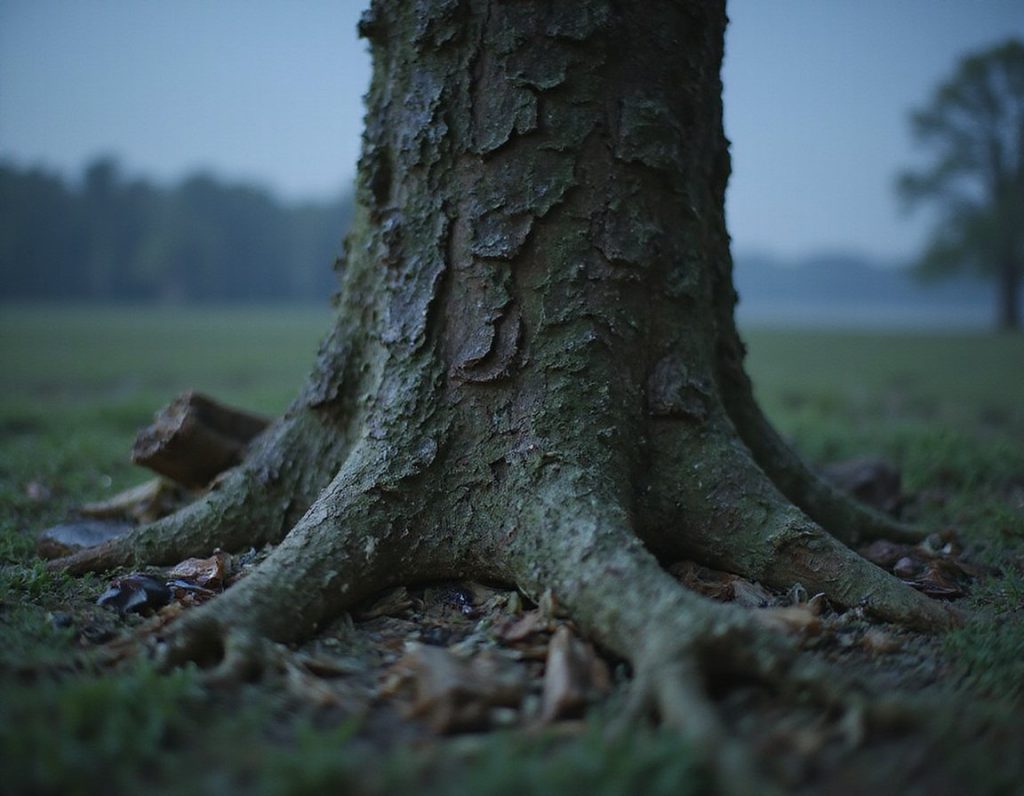
Check the tree bark for cracks, cankers, or other damage. Inspect the leaves for discoloration, as yellowing or browning can signal a problem.
Fungal growth, like mushrooms or conks, can also be a warning sign. Insect infestation, such as beetles or borers, can weaken the tree.
Examine the soil condition, as poor drainage or compacted soil can stress the tree. Look for branch dieback, where branches are dead or dying, which can indicate a larger issue.
By evaluating these factors, you can identify potential hazards and take steps to address them, helping to prevent accidents and maintain a healthy tree.
Regular monitoring can help you catch issues early, reducing the risk of tree failure.
What Causes Trees to Become Hazardous
As you evaluate a tree’s condition, it’s essential to take into account the factors that contribute to its potential hazard.
You’ll want to reflect on the various threats that can lead to a tree becoming hazardous. Some key factors include:
- Root rot and fungal growth from disease spread
- Pest infestations and nutrient deficiency
- Soil degradation and environmental stress
- Weather extremes and construction impacts, often exacerbated by improper pruning.
These issues can all contribute to a tree’s decline, making it a hazard.
You should be aware of these potential problems to better assess a tree’s condition and take necessary actions.
Tree Care Strategies to Prevent Decline and Hazard
Because preventing tree decline requires proactive measures, it’s vital to implement effective tree care strategies.
You can start by practicing proper tree planting techniques, considering factors like soil type and available space. Maintaining good soil health is also important, as it directly affects your tree’s ability to absorb nutrients.
You’re taking the right step by learning about tree care, and it’s vital to apply this knowledge to prevent decline and hazard.
Regularly inspect your tree for signs of stress or disease, and take action promptly if you notice any issues.
The Impact of Tree Age on Health and Stability
Preventing tree decline is just the first step – now it’s time to contemplate how tree age affects health and stability.
You’ll find that a tree’s lifespan and growth patterns play a significant role. As you assess your tree, consider the following factors:
- Tree lifespan and its impact on stability
- Changes in growth patterns over time
- Increased risk of disease with age
- Natural decline in health as the tree matures.
You’re looking for signs that indicate your tree’s age is affecting its health and stability, which can help you make informed decisions about its care and maintenance.
Understanding these factors will help you determine if your tree is still thriving or if it’s time to take action to guarantee its stability and yours.
Assessing Tree Damage After a Storm
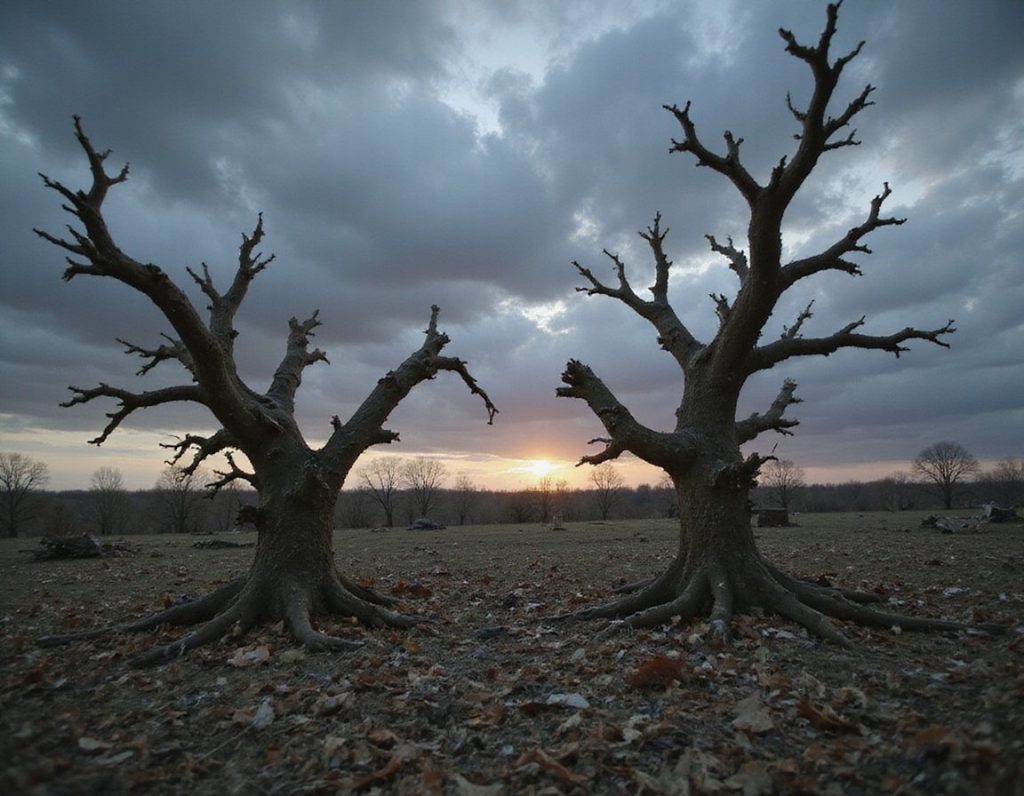
You’ll need to inspect your tree carefully after a storm to assess its condition.
When you’re checking for damage, you’re looking for signs of branch damage, such as cracked or broken limbs. You should also check the roots for any signs of disruption.
You can start by doing a tree inspection, which will help you identify potential problems and determine if the damage is severe enough to kill the tree.
Tree Inspection
Storms can leave trees battered and bruised, so it’s essential to inspect yours after harsh weather.
You’ll assess tree longevity, soil health, and environmental factors. Consider:
- Pest management and disease prevention
- Pruning techniques for your tree species
- Climate influence on root systems
- Canopy assessment for damage.
This inspection helps you understand your tree’s condition, considering factors like climate and soil health, to guarantee its continued health and stability.
Branch Damage
Inspecting your tree’s branches is vital after a storm, as damaged or broken limbs can indicate a tree’s overall health.
You’re looking for signs of branch diseases or damage that can spread to the rest of the tree. Check for cracks, splits, or missing bark, and consider pruning techniques to remove damaged areas.
Proper pruning can help prevent further damage and allow the tree to heal. By evaluating branch damage, you can determine the best course of action to save your tree or prevent potential hazards.
This evaluation is essential in identifying potential issues before they become major problems.
Root Check
A thorough root check is essential after a storm, as it can reveal hidden damage that isn’t immediately visible.
You’ll assess root stability by inspecting for signs of root rot. Check for:
- Cracks in the trunk
- Soft or spongy roots
- Fungal growth
- Leaning or tilting.
If you find any of these issues, it may indicate compromised root stability, making the tree more susceptible to failure.
You’re looking for signs of root rot, which can weaken the tree’s foundation.
Can a Dead Tree Be Saved?
Because you’ve identified a tree that’s likely dead, you’re probably wondering if it can be saved. You’ll need to assess the tree’s condition to determine if tree revival techniques can be applied.
A root health assessment is essential in this process. You’ll need to check the roots for signs of decay or damage. If the roots are still healthy, you may be able to save the tree.
However, if the roots are dead or severely damaged, it’s unlikely the tree can be revived. By evaluating the root health, you can make an informed decision about the tree’s potential for recovery.
This assessment will help you decide if tree revival techniques are worth trying or if the tree is beyond saving. You can then consider the best course of action for the tree’s care.
Understanding the Risks of Keeping a Dead Tree
Since you’re contemplating saving a tree that’s likely dead, you’ll want to weigh the risks of keeping it. A dead tree can pose significant dangers, and it’s important to understand them.
You’ll need to evaluate the potential consequences of keeping a dead tree, including:
- Tree diseases that can spread to other trees
- Wildlife interactions that can be harmful to animals
- Property damage from falling branches
- Injury to people from falling trees or branches.
You should prioritize your safety and the safety of others when deciding what to do with a dead tree.
Tree diseases can also affect the ecosystem, and wildlife interactions can be disrupted by a dead tree’s presence.
It’s vital to think carefully about the risks before making a decision.
How to Check for Tree Health in Different Seasons
You’ll check your tree’s health differently in each season, and it’s crucial to know what to look for when you’re inspecting it in the spring.
During this time, you’re looking for new growth, which you won’t see if the tree is dead, and you’ll also check for signs of winter damage.
As you move into summer and fall, you’ll check for summer signs like leaf condition and fall risks like branch decay, which can indicate a tree is dying or already dead.
Spring Check
As spring arrives, how do you determine if a tree has survived the winter?
You’ll want to inspect your tree carefully. Consider spring pruning to remove dead branches.
During seasonal checks, look for:
– Dead
Summer Signs
When checking your tree’s health in the summer, it’s essential to inspect its leaves, bark, and overall structure, because this season can be particularly stressful for trees due to heat and drought. You’re looking for signs of drought stress in your summer foliage.
| Sign | Description | Action |
| Wilting | Leaves droop | Water |
| Yellowing | Leaves turn yellow | Prune |
| Cracking | Bark cracks | Inspect |
| Falling | Leaves fall | Check |
| Dying | Branches die | Remove |
Fall Risk
Tree health checks don’t stop after summer – they’re essential in every season, because seasonal changes can greatly impact a tree’s stability.
You’re checking for tree safety and fall prevention. Consider:
- Weakened branches
- Dead leaves
- Cracks in trunks
- Unstable roots.
These signs indicate a tree’s fall risk, so you must inspect carefully to guarantee tree safety and prevent accidents through proper fall prevention measures.
Next Steps for a Confirmed Dead or Hazardous Tree
If you’ve confirmed a tree is dead or hazardous, you’ll need to take action quickly to prevent it from causing damage or injury. You should consider tree removal to eliminate the risk.
Before doing so, take safety precautions to prevent accidents. This includes blocking off the area around the tree and wearing protective gear.
Take safety precautions to prevent accidents by blocking the area and wearing protective gear.
You’ll also need to assess the tree’s location and surrounding structures to determine the best removal method.
Take photos and document the tree’s condition to support any insurance claims. By taking these steps, you can guarantee a safe and efficient tree removal process.
Keep in mind that safety should be your top priority when dealing with a dead or hazardous tree.
Hiring a Professional to Evaluate Your Tree
Because you’re dealing with a potentially hazardous situation, it’s vital you hire a professional to evaluate your tree.
You’ll get a professional assessment, which is important for your tree evaluation. This expert will inspect your tree and provide you with a detailed report.
- They’ll check for signs of decay or damage
- Assess the tree’s structure and stability
- Evaluate the tree’s roots and surrounding environment
- Determine the best course of action for your tree.
The Tree Removal Process and Its Implications
Once you’ve determined your tree is dead, you’ll need to contemplate removing it to prevent damage to your property or injury to others.
You’re likely to hire a professional for tree removal, as it can be a complex process. When you’re removing a tree, you’re not just cutting it down – you’re also considering the environmental impact.
Hiring a professional for tree removal is crucial due to its complex process and environmental considerations.
You’ll need to think about what to do with the tree’s remains, such as chipping or hauling them away. Tree removal can affect local ecosystems, so it’s crucial to minimize its environmental impact.
You’ll want to make sure that the removal process doesn’t harm surrounding plants or wildlife. By taking these factors into account, you can guarantee a safe and responsible tree removal process that protects both your property and the environment.
Maintaining Healthy Trees to Prevent Future Hazards
You’re taking steps to maintain healthy trees by providing proper tree care, which includes pruning branches regularly.
By doing so, you’re helping prevent future hazards that can lead to tree death.
You should also schedule regular inspections to catch any potential issues before they become major problems, ensuring your trees stay healthy and thrive.
Tree Care
Several key strategies can help you maintain healthy trees and prevent future hazards. You consider the tree species and soil health when caring for your trees.
To keep them healthy, you:
- Monitor water levels
- Fertilize regularly
- Mulch around the base
- Check for pests and diseases.
By doing so, you’ll be able to identify potential issues before they become major problems, reducing the risk of hazards and extending the life of your trees.
This proactive approach will help you enjoy your trees for years to come, while also ensuring the safety of people and property nearby.
Prune Branches
Pruning branches is essential for maintaining healthy trees and preventing future hazards. You’re using pruning techniques to promote branch health.
| Method | Tool | Benefit |
| Cut | Saw | Removes dead wood |
| Thin | Pruner | Increases sunlight |
| Raise | Lopper | Clears obstacles |
| Reduce | Shear | Decreases stress |
You’re applying these techniques to keep your trees healthy.
Regular Inspection
As you continue to prune and care for your trees, it’s vital that regular inspections become a part of your maintenance routine, because they can help identify potential issues before they become major problems.
You’ll develop safety protocols to guarantee a tree inspection is done correctly. Consider:
- Checking for cracks or splits
- Looking for dead branches
- Inspecting roots for damage
- Monitoring for pest or disease signs.
This helps you maintain healthy trees and prevent future hazards, keeping you and others safe.
Regular tree inspection is essential for safety protocols and overall tree health.
Frequently Asked Questions
Can I Sell a Dead Tree for Lumber?
You can sell a dead tree for lumber if it’s a valuable species, has good wood quality, and there’s market demand, determining its lumber value based on these factors.
Do Dead Trees Attract Pests Indoors?
You should consider pest control, as dead trees attract pests that can invade your home, compromising indoor safety, so you’re taking steps to protect your space from potential infestations and damage.
Can a Dead Tree Affect Property Value?
You’ll likely see a decrease in property value if you don’t address dead trees, as it affects your property assessment, emphasizing the importance of regular tree maintenance and removal when necessary.
Will Insurance Cover Tree Removal?
You’ll likely find insurance policies covering tree removal costs if they’re deemed hazardous, but you’re checking your policy to confirm what’s covered and what you’re paying out of pocket for removal.
Can I Decorate a Dead Tree Safely?
You can decorate a dead tree safely using tree decoration tips, choosing safe materials that won’t weigh it down or cause further damage, ensuring stability before you hang ornaments or lights.
Final Thoughts
A dead or dangerous tree isn’t always obvious at first glance, which is why it’s important to watch for warning signs like dead limbs, cracks, fungal growth, insect activity, and sudden changes in leaf health. Just as important is the tree’s location—if it’s close to your home, driveway, or utility lines, even a weakened tree can become a serious safety risk. When you’re unsure, acting early can prevent costly damage and protect everyone on your property.
At Tinley Park Tree Service, we provide expert evaluations and clear recommendations so you can make the safest decision for your landscape. If your tree needs immediate attention, we’re ready to help with emergency tree service, and when removal is the safest option, our team can handle professional tree removal from start to finish. Reach out today through our contact page to schedule an on-site assessment and get a quote.