You’re considering removing a tree if it’s posing a safety risk or causing property damage. You’ll want to look for signs like dead branches, decay, or pest infestation. Cracks in the trunk or branches are also a concern. If you notice any of these issues, it’s time to take action. You’ll find more insight into the signs that indicate it’s time to remove a tree, and what to do next, by exploring further.
Key Takeaways
- Dead branches indicate tree health issues.
- Decay signs reduce structural integrity and safety.
- Proximity to home or power lines poses risks.
- Cracks in trunk or branches compromise integrity.
- Roots damaging foundations require tree removal.
Why Remove A Tree
You’re considering removing a tree, but have you thought about why you want to do it?
Tree removal can have a significant environmental impact, so it’s important to understand your motivations. You might be concerned about the tree’s proximity to your home or power lines, or perhaps it’s causing damage to your property.
Consider the motivations behind tree removal to understand its environmental implications and potential property damage.
Whatever the reason, it’s vital to weigh the benefits of removal against the potential consequences. Removing a tree can help prevent damage or injury, but it can also disrupt local ecosystems.
You should consider the potential effects on wildlife and the surrounding environment before making a decision. By understanding the reasons behind your desire for tree removal, you can make an informed choice that balances your needs with the environmental impact.
Signs Of A Dying Tree
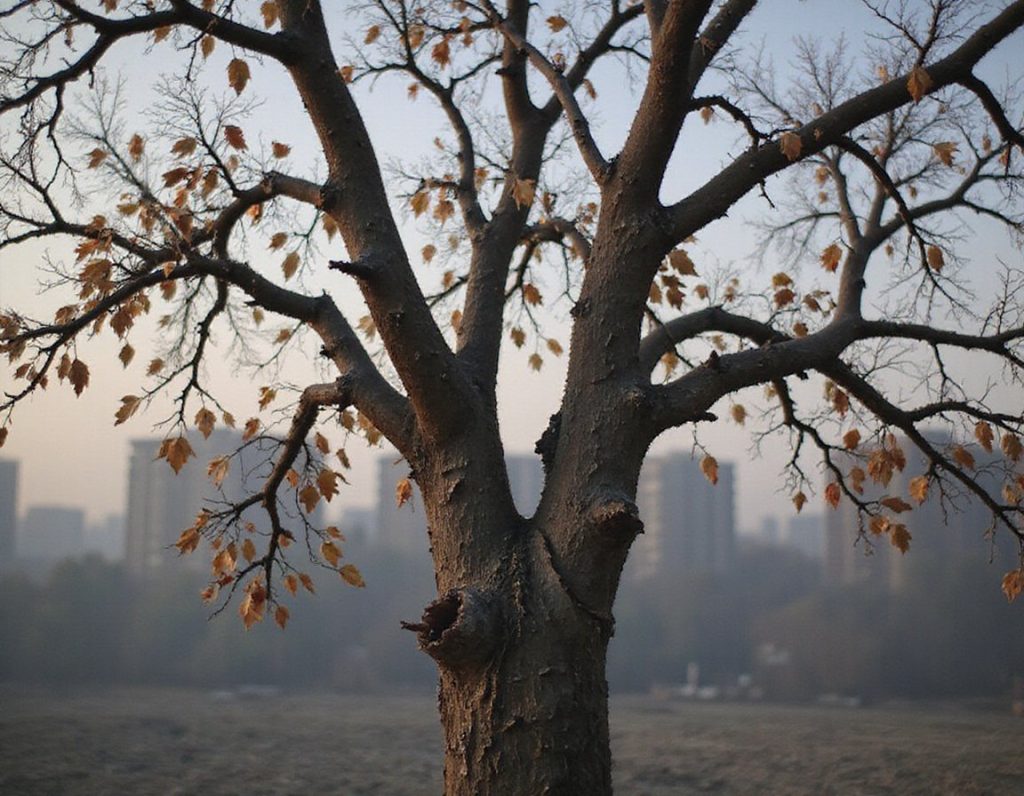
You’re looking for signs that indicate a tree is dying, and there are several key indicators you should check for.
If you notice dead branches, it’s a clear sign that the tree is struggling, and you should also inspect the tree for decay, which can be a major issue.
You’re also checking the tree’s roots, as weak roots can’t support the tree, and it’s likely to fall or die if they’re not strong.
Dead Branches
Since a tree’s health can be gauged by its branches, dead branches are a clear sign that it’s dying.
You’re evaluating the tree’s condition as part of tree maintenance.
A branch assessment reveals dead or dying branches.
Tree Decay
As you inspect the tree, look for signs of decay, which can indicate a tree’s demise.
You’re checking if the tree’s lifespan is coming to an end. Decay can reduce a tree’s structural integrity, making it a hazard.
Consider tree restoration if you catch decay early. However, if decay is widespread, it’s likely time to remove the tree.
You don’t want to risk the tree falling and causing damage.
Weak Roots
Because decay isn’t the only factor that can compromise a tree’s stability, it’s essential to examine the roots for signs of weakness.
You’re checking the root stability and structure. Key signs include:
- Poor root growth
- Root damage
- Soil erosion
- Leaning trees
- Brittle roots.
These signs indicate a tree’s root stability is compromised, affecting its overall health and stability.
You must assess the root structure to determine if it’s safe to keep the tree.
Identifying Visible Rot Or Pest Infestation
When you’re inspecting a tree, you’ll want to check for visible signs of rot or pest infestation, which can indicate a deeper problem that may require removal.
You’re looking for cracks, soft spots, or discoloration on the trunk, branches, or roots. Check for pest identification signs like holes, sawdust, or insect eggs.
Inspect the tree health by examining the bark, leaves, and overall condition. Look for fungal growth, like mushrooms, which can be a sign of decay.
If you notice any of these signs, it’s vital to assess the tree’s condition further. You may need to consult a professional for proper evaluation and guidance on tree health and pest identification to determine the best course of action.
Regularly monitoring your tree’s condition can help prevent further damage and guarantee your safety. This step is essential in maintaining healthy trees and preventing potential hazards.
The Risk Of Cracks In Tree Trunks Or Branches
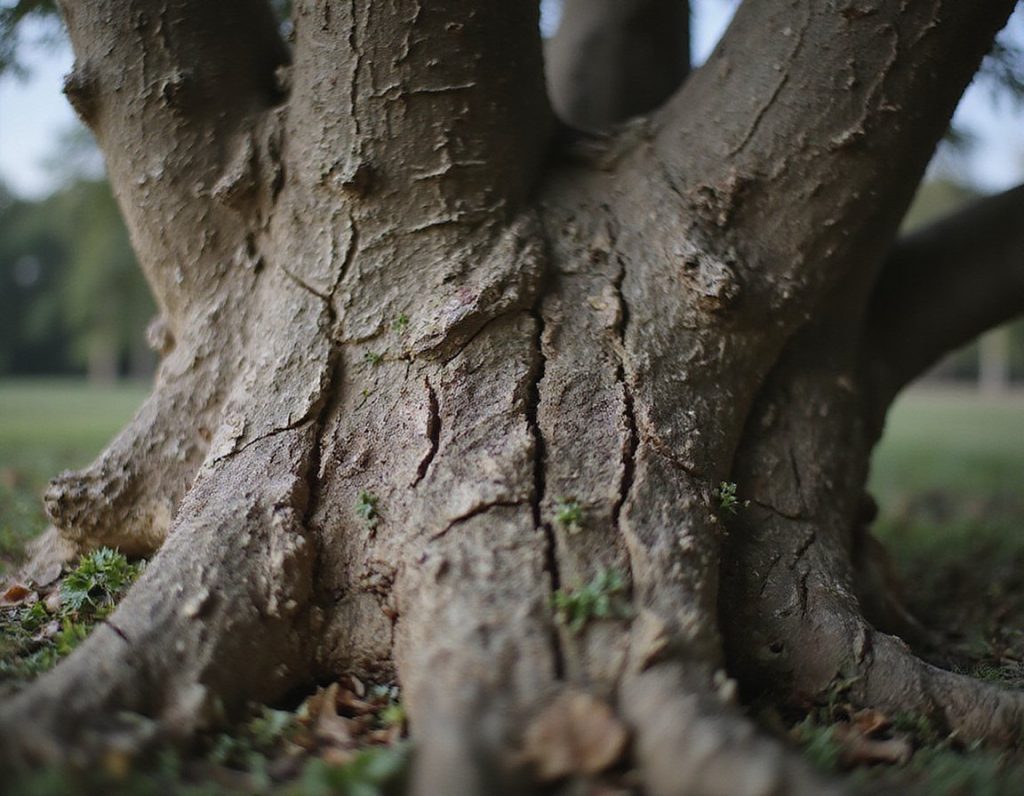
You’re looking for signs that indicate a tree is no longer safe, and cracks in the trunk or branches are a major red flag.
If deep cracks form, you’ll notice branch damage or trunk decay, which can lead to more severe problems.
You should inspect your tree for these issues, as they can increase the risk of the tree falling or causing other hazards.
Deep Cracks Form
Deep cracks in a tree’s trunk or branches can be a significant warning sign that it’s time to reflect on removal. You notice deep fissures that compromise the tree’s structural integrity.
Some signs to look for include:
- Weak branch joints
- Trunk decay
- Cracks in major branches
- Deep cavities
- Splits in the trunk.
If you see these signs, it’s time to evaluate removal to prevent accidents. You don’t want a tree to fall and cause damage or injury.
Take action when you notice deep cracks forming; it’s better to be safe than sorry.
Branch Damage
A tree with cracks in its trunk or branches is at risk of branch damage, which can lead to hazardous situations. You should assess the branch health to determine the extent of the damage.
If you don’t address it, it can lead to more severe problems. You can use pruning techniques to remove damaged branches, but it’s essential to do it correctly.
If you’re unsure, it’s best to consult a professional to guarantee your safety and the tree’s stability. This helps prevent accidents and maintains the tree’s overall health.
You must take action to prevent further damage.
Trunk Decay
Branch damage can be a symptom of a more significant issue – trunk decay.
You’re checking your tree’s trunk stability, looking for signs of decay. Some signs include:
- Cracks in the trunk
- Soft or spongy areas
- Fungal growth
- Discoloration
- Cavities.
Trunk decay can lead to reduced trunk stability, making it prone to breaking.
Fungal growth can also contribute to decay, weakening the tree.
Trees Threatening Power Lines Or Buildings
Because trees can grow rapidly, you’ll need to monitor their proximity to power lines and buildings, as they can become a liability if not addressed.
You should check for power line hazards, such as branches touching or nearing wires, which can cause outages or fires.
Trees near buildings can also compromise building safety. You’ll want to assess whether they’re at risk of falling or causing damage.
Trees near buildings pose safety risks if they’re at risk of falling or causing damage to structures.
If a tree’s growth is encroaching on these structures, it’s time to contemplate removal.
Don’t wait until it’s too late, as the consequences can be severe.
By removing the tree, you’ll mitigate potential risks and guarantee your property remains safe.
Regular monitoring and maintenance can help prevent these issues, but sometimes removal is the best solution to prevent power line hazards and guarantee building safety.
When Roots Cause Foundation Damage
Your tree’s impact doesn’t stop at what’s visible above ground – its roots can also wreak havoc on your property. You should consider a tree assessment if you notice issues with your foundation stability.
Some signs of root systems causing damage include:
- Changes in soil moisture affecting structural integrity
- Cracks in walls and floors
- Doors and windows that won’t close properly
- Uneven flooring and sinking foundations
- Increased property damage over time
You must prioritize landscape planning to prevent further environmental impact.
It’s essential to address root systems before they compromise your property’s foundation stability, leading to costly repairs and potential safety hazards.
Interfering Branches And Daily Life
You’re probably aware that trees with interfering branches can cause branch damage to your property, and it’s crucial to assess the risks.
If you notice that branches are getting too close to your home or power lines, you should consider removing the tree to prevent accidents.
You also need to check if the tree’s roots are intruding into your plumbing or foundation, which can lead to costly repairs and safety hazards.
Branch Damage
As trees grow, their branches can extend over your home, yard, or nearby power lines, interfering with daily life.
You’ll notice issues with branch strength and health, making them more prone to damage.
Some signs of branch damage include:
- Weak branch joints
- Cracks in the branch
- Dead or dying branches
- Splitting bark
- Poor branch health.
You must assess branch health to prevent accidents.
Root Intrusion
Branches aren’t the only part of a tree that can interfere with daily life – roots can also become a problem.
You’ll notice root damage when you see cracks in your driveway or sidewalk. This can compromise tree stability, making it a hazard.
As roots grow, they can interfere with underground pipes and cables, causing more damage. You may need to remove the tree to prevent further issues.
If you’re experiencing root intrusion, it’s time to assess the tree’s stability and consider removal to prevent costly repairs and guarantee your safety.
This will help you avoid more problems down the line.
Disease, Pest Infestation, And Tree Health
Since trees can’t defend themselves against disease and pests, it’s up to you to monitor their health and take action when necessary. You should conduct regular health assessments to identify tree diseases and implement pest management strategies. This is essential for tree maintenance.
Some signs of disease and pest infestation include:
- Dead or dying branches
- Cracks in the trunk
- Fungal growth
- Insect infestations
- Discoloration of leaves.
Trees Too Close To Structures
You’ve taken steps to maintain your trees’ health, but now it’s important to evaluate their proximity to your property’s structures.
Consider the tree location and how it may affect your home or buildings. If a tree is too close, it can cause significant structural impact, leading to costly repairs.
Roots can grow into foundations, causing cracks and damage. Branches can rub against walls, weakening them over time.
It’s important to assess the distance between your trees and structures to prevent potential hazards.
Take a closer look at your tree location and consider removing it if it’s too close, as the structural impact can be severe and compromise your property’s integrity.
Evaluate the risks and take action to protect your property.
Recognizing Significant Changes In Tree Health
As you monitor your trees’ condition, it’s vital to catch significant changes in their health, because early detection can be the key to preventing further decline.
You’re looking for signs that indicate your tree’s health is deteriorating. Some key indicators include:
- Changes in tree color or foliage changes
- Cracks in the trunk or branches
- Dead or dying branches
- Fungal growth
- Leaf scarcity.
By identifying these changes, you can take action to save your tree or determine if it’s time to remove it.
Paying attention to foliage changes and tree color can help you catch issues early, so it’s important to regularly inspect your trees.
Frequently Asked Questions
Can I Remove a Tree Myself?
You can’t remove a tree yourself, you’re taking risks, so consider hiring pros who know safety precautions and tree removal techniques to guarantee a safe process, you won’t regret it.
How Much Does Tree Removal Cost?
You’ll pay varying prices based on tree removal factors, with average costs ranging from $200 to $2,000, depending on size, location, and complexity, when you hire a professional to do it.
Is Stump Removal Extra?
You’ll pay extra for stump removal, which involves stump grinding, a process that prioritizes tree health by removing remnants, preventing regrowth, and promoting lawn safety, usually costing additional fees.
Do I Need a Permit?
You’ll likely need a permit, so you’re checking local tree removal regulations, and you’ll have to submit a permit application before proceeding with your tree removal project, don’t you?
Can Trees Be Removed in Winter?
You can remove trees in winter, which won’t harm tree health, and it offers winter benefits, like easier access and less debris, when you’re cutting down a dead or dying tree.
Final Thoughts
Knowing when to remove a tree is ultimately about protecting your property and the people around it. Warning signs like dead limbs, visible decay, major cracks, pest infestation, and roots damaging structures can all point to a tree that’s no longer stable or safe. When a tree becomes a hazard—especially near homes, driveways, or power lines—waiting can increase the risk of costly damage or injury.
At Tinley Park Tree Service, we help you make the right decision with honest guidance and safe, professional tree removal. If you’re dealing with a dangerous or storm-damaged tree, our team is ready to respond with emergency tree service when you need help fast. Get started by reaching out through our contact page to request an estimate and schedule an on-site evaluation.