You’re putting your trees at risk if you’re trimming them without a clear understanding of best practices. Improper trimming can lead to serious damage or even death. You’re likely making mistakes like cutting too much or trimming at the wrong time. If you don’t change your approach, you’ll continue to harm your trees. You’ll discover more about what not to do and how to fix it.
Key Takeaways
- Topping can cause high tree stress and decay.
- Incorrect pruning techniques harm tree health.
- Over-pruning reduces growth and causes damage.
- Ignoring safety precautions risks injury and death.
- Failing to assess post-trim damage is harmful.
Introduction To Tree Trimming: Why It Matters
As you consider maintaining your outdoor space, it’s crucial to understand the role tree trimming plays in keeping your yard safe and looking its best.
You’re not just cutting branches; you’re ensuring tree health by removing dead or diseased limbs that can harm the tree. Proper trimming also boosts landscape aesthetics, as it shapes the tree’s appearance and promotes healthy growth.
By trimming trees, you’re preventing potential hazards like falling branches and maintaining a clean, inviting yard. Regular tree trimming helps you identify potential issues before they become major problems, saving you time and money in the long run.
It’s important to prioritize tree trimming to protect your trees and enhance your outdoor space’s overall look and feel. You’ll be rewarded with a safer, more beautiful yard that you can enjoy for years to come.
Determining The Best Season For Tree Trimming
You’ve established that regular tree trimming is essential for maintaining a safe and beautiful yard. To determine the best season, consider seasonal signs, tree dormancy, and growth patterns.
Different tree species have unique needs, so it’s vital to research specific pruning guidelines. Environmental factors, such as weather and temperature, also play a role.
You’ll want to use timing techniques that align with your tree’s needs, taking into account its dormancy period. By trimming at the right time, you can maximize seasonal benefits, like promoting healthy growth and preventing disease.
Consider the time of year when your tree is least active, and prune accordingly, to minimize stress and guarantee a thriving tree. This approach will help you make informed decisions about when to trim, based on your tree’s specific needs and the local climate.
The Risks Of Improper Tree Trimming: What You Need To Know
Because improper tree trimming can have severe consequences, it’s important to understand the risks involved. You’re putting your tree’s health at risk if you don’t use proper trimming techniques.
Consider the following risks:
- Damaging growth patterns
- Spreading tree diseases
- Disrupting ecosystem impact
You must also think about seasonal effects and equipment safety when trimming. Incorrect pruning methods can harm your tree, so it’s vital to learn about them.
How Cutting Too Much Of The Tree Can Harm It
Cutting too much of the tree can considerably harm it, whether you’re trying to control its size or shape. You’ll face over trimming consequences, such as reduced growth and increased stress.
| Pruning Techniques | Stress Factors |
| Thinning | Low stress |
| Topping | High stress |
| Reduction | Medium stress |
| Raising | Low stress |
| Restoration | High stress |
You must consider tree recovery strategies and pruning techniques comparison to minimize harm. Analyzing stress factors and growth patterns impact will help you make informed decisions, preventing long-term damage and promoting healthy growth.
The Dangers Of Trimming At The Wrong Time Of Year
When it comes to tree trimming, timing is everything, and trimming at the wrong time of year can be detrimental to the tree’s health. You must consider seasonal impacts on tree physiology and growth patterns.
To minimize stress factors, you should use timing strategies that avoid pruning myths.
- Trim during tree dormancy for minimal stress
- Avoid trimming when trees are actively growing
- Consider seasonal benefits before pruning.
Choosing The Right Equipment For Safe Tree Trimming
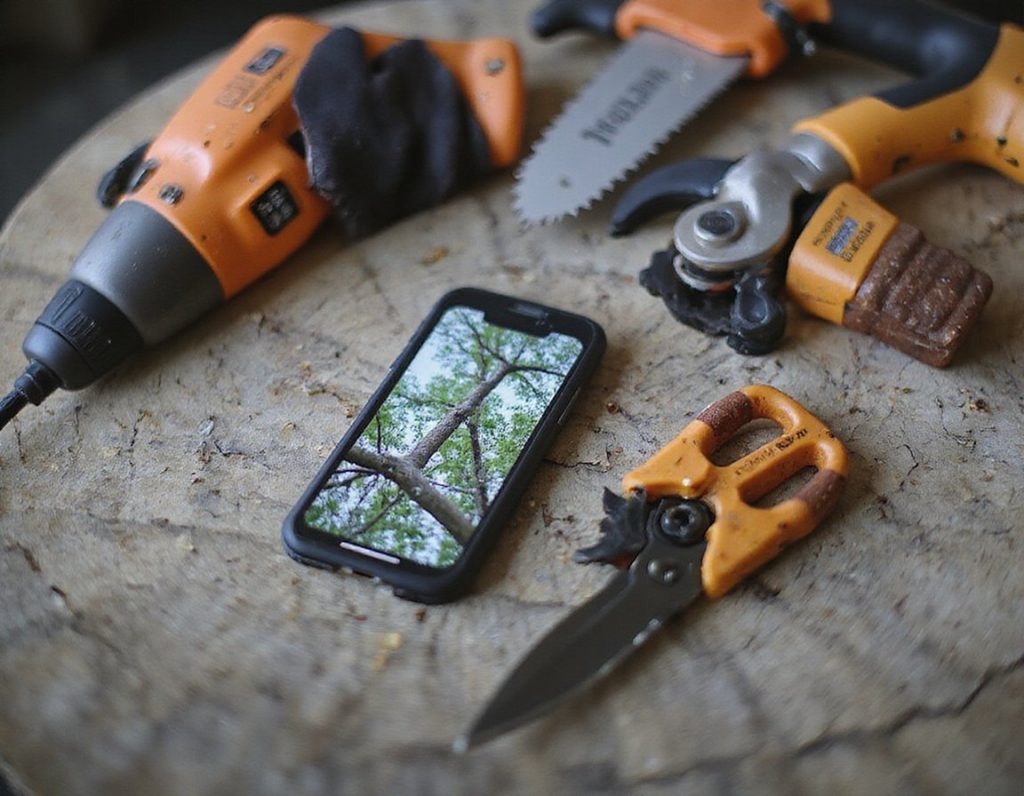
You’ve considered the timing of your tree trimming, now it’s time to focus on the tools you’ll use to get the job done. You’ll need various equipment types, including pruning shears, pole saws, and electric trimmers. Safety gear is also vital, such as protective eyewear and ladder safety equipment.
| Tool | Purpose | Safety Consideration |
| Pruning Shears | Cutting small branches | Hand protection |
| Pole Saws | Reaching high branches | Ladder safety |
| Electric Trimmers | Cutting thick branches | Protective eyewear |
| Hand Tools | Maintenance tasks | Proper handling |
When choosing equipment, consider your trimming techniques and maintenance tools needed.
Your Tree Trimming Toolbox: 5 Essential Tools
As you prepare to tackle your tree trimming project, having the right tools in your toolbox is essential for efficiency and safety. You’ll need tools that support proper tree trimming techniques and guarantee essential safety.
Consider the following:
- Pruning saws for cutting thick branches
- Loppers for smaller cuts and shaping
- Gardening gloves for protection from thorns and splinters
These tools will help you complete your project effectively. With the right equipment, you can master various tree trimming techniques and minimize risks.
Diy Tree Trimming: When To Call A Pro
You’re taking on tree trimming yourself, but you shouldn’t make harmful cuts that can damage the tree’s health.
If you’re unsure about how to trim your tree without causing harm, it’s time to call a pro.
You’re better off getting help from a professional arborist who can provide the expertise you need to avoid costly mistakes.
Harmful Cuts
Because improper cutting techniques can lead to serious consequences, it’s crucial to understand what constitutes a harmful cut when trimming trees.
You’re likely to cause tree stress if you make incorrect cuts. Harmful pruning can lead to decay or insect infestation.
Consider the following:
- Cutting too much foliage
- Leaving jagged edges
- Not cutting at the right angle, causing the tree to struggle, leading to decline.
Pro Help
Improper tree trimming techniques can lead to serious consequences, so it’s time to contemplate when to hand over the pruning shears to a professional.
You’ll benefit from professional expertise in tree care, especially when evaluating risk and monitoring health.
Consider hiring a pro during seasonal timing that requires precise trimming to enhance growth patterns.
They’ll guarantee safety standards are met, providing trimming benefits that promote healthy trees.
Pruning Vs. Trimming: What’s The Difference?
You’re probably wondering what sets pruning and trimming apart, and it’s crucial to understand the basics of pruning to make informed decisions.
When you’re working with trees, you’ll need to take into account pruning basics, such as cutting techniques and tool selection, to achieve your goals.
You’ll also want to keep trimming tips in mind, like timing and frequency, to guarantee you’re getting the best results for your trees.
Pruning Basics
When it comes to tree care, many people use the terms “pruning” and “trimming” interchangeably, but they serve distinct purposes.
You’ll use pruning techniques to maintain your tree’s health. Consider these factors:
- Pruning techniques
- Timing strategies
- Tree type.
You’re aiming to promote healthy growth, so it’s crucial to understand the differences and apply them correctly. By doing so, you’ll help your tree thrive and prevent potential issues.
Mastering pruning basics is key to tree care, and it starts with understanding the purpose of pruning and how to apply it effectively to your tree.
Trimming Tips
As you explore tree care, it’s essential to distinguish between pruning and trimming, since they serve different purposes.
You’ll use pruning for tree shaping and aesthetic pruning to enhance seasonal aesthetics. Trimming, on the other hand, focuses on maintenance strategies, considering growth patterns and health monitoring.
It’s key to balance landscape integration with environmental impact. By understanding the difference, you’ll make informed decisions, ensuring your trees thrive.
Effective trimming tips also involve regular checks, allowing you to adjust your approach as needed, and maintaining a holistic view of your tree’s needs. This helps prevent mistakes that can harm your trees.
Post-Trimming Tree Care: Tips For Health And Recovery
Proper tree trimming is just the first step in maintaining a tree’s health, and it’s essential that you take care of your tree after trimming to facilitate its recovery quickly.
Proper tree trimming is just the first step in maintaining a tree’s health and facilitating its recovery.
You’ll want to focus on post-trimming hydration and recovery nutrition to support its healing process. Consider the following:
- Wound care and stress management to minimize damage
- Growth monitoring to track progress and make seasonal adjustments
- Pest prevention and soil enhancement to promote healthy growth.
By doing so, you’ll help your tree recover from trimming and set it up for long-term success, reducing the risk of disease and pest issues.
Monitor your tree’s health and make adjustments as needed to facilitate its continued well-being.
Tree Trimming Safety Precautions: Protecting Yourself And Your Trees
Because you’re working with sharp tools and heavy equipment, tree trimming can be hazardous if you don’t take necessary safety precautions. You must wear safety gear, including gloves and a hard hat, for personal protection.
Conduct a hazard assessment to identify potential risks, such as tree stability issues, and take steps to mitigate them. Consider weather conditions, like strong winds or icy branches, and plan accordingly.
Guarantee fall protection measures are in place, like ropes or harnesses, when climbing. Keep a first aid kit nearby and know emergency procedures in case of accidents.
Common Tree Trimming Mistakes And How To Fix Them
When you’re trimming trees, you’ll likely make mistakes if you don’t know what to look out for. You may inadvertently harm tree growth or believe trimming myths that don’t account for seasonal effects.
- Incorrect pruning techniques can damage your trees.
- Failing to assess damage after trimming can hinder tree recovery.
- Not following maintenance tips can reduce aesthetic benefits.
You should learn proper techniques to avoid these mistakes and promote healthy tree growth.
The Benefits Of Regular Tree Trimming For Your Landscape
You’ll notice significant improvements in tree health when you trim trees regularly, as it helps remove diseased or damaged branches.
By doing so, you’re also promoting healthy plant growth, which can lead to a more lush and vibrant landscape.
As you prioritize regular tree trimming, you’re taking an essential step in proper tree care, setting your trees up for long-term success and reducing the need for costly corrections down the line.
Tree Health
Regular tree trimming is essential to maintaining your landscape’s overall health, and it’s an investment that pays off in the long run. You prevent tree diseases, nutrient deficiencies, and pest management issues.
Consider the following benefits:
- Maintains root health
- Adapts to seasonal changes and environmental stress
- Improves soil quality and water needs, supporting ecosystem balance and healthy growth patterns.
Plant Growth
As you prioritize tree trimming, it enables your trees to redirect energy from dead or damaged branches to healthier areas, promoting robust plant growth. You’ll improve plant nutrition, root development, and seasonal growth.
| Factor | Benefit |
| Pest management | Reduces damage |
| Soil health | Boosts water absorption |
| Light exposure | Enhances growth patterns |
| Environmental factors | Increases tree resilience |
Tree Care
Trimming your trees is essential for maintaining their health and enhancing your landscape’s overall appearance.
You’ll promote healthy tree biology by considering root care, pest management, and soil health.
Regular trimming supports:
- Seasonal growth and nutrient uptake
- Adaptation to environmental factors and tree species
- Ideal canopy structure and water needs, ensuring your trees thrive.
Advanced Tree Trimming Techniques For Unique Tree Types
Because you’ll encounter various tree types, you need to adapt your techniques to suit each one’s unique characteristics. You must consider species-specific techniques, taking into account seasonal considerations and pruning strategies that promote healthy tree growth.
Aesthetic trimming is also essential, as it enhances the tree’s appearance while minimizing environmental impacts. When trimming, you’ll need to think about the tree’s natural shape and growth patterns. By doing so, you can maintain its integrity and prevent damage.
Effective pruning strategies will help you achieve the desired look while ensuring the tree’s longevity. You’ll become proficient in advanced tree trimming techniques, allowing you to tackle unique tree types with confidence, making informed decisions about pruning and trimming to support the overall health and beauty of your trees.
This expertise will serve you well in tree care and maintenance.
Frequently Asked Questions
Can I Trim Trees Near Power Lines?
You shouldn’t trim trees near power lines without checking local power line regulations, prioritizing tree safety to avoid accidents, and considering hiring a professional who’s aware of these regulations and safety protocols.
How Often to Water After Trimming?
You’re managing post-trim care, so you adjust your watering schedule, watering trees more frequently after trimming to prevent shock, but don’t overwater, you’re aiming for a balanced approach always.
Can I Trim in Extreme Weather?
You shouldn’t trim in extreme weather, as it can harm tree health, so adjust your trimming techniques to avoid stressing your trees during harsh conditions, you’re risking their overall well-being.
Do Trees Need Trimming in Winter?
You can trim trees in winter, it’s a good time for winter tree care, using proper trimming techniques, you’re minimizing damage and promoting healthy growth, but you’re doing it carefully.
Can I Use Regular Garden Shears?
You shouldn’t use regular garden shears, they’re not suitable for trimming trees, instead, you’ll need proper shear types and learn correct trimming techniques to avoid damaging your trees.
Final Thoughts
Tree trimming can improve safety and appearance, but the wrong cuts—or trimming at the wrong time—can weaken a tree, invite disease, and shorten its lifespan. Avoiding common mistakes like topping, over-pruning, and using improper tools helps protect your trees and keeps your landscape healthy for the long term. When you’re unsure, the safest approach is to rely on proper technique and a plan that supports healthy growth instead of quick fixes.
At Tinley Park Tree Service, we help homeowners prevent costly trimming errors with expert tree trimming service and precision tree pruning service designed to strengthen—not stress—your trees. If you’re concerned about recent trimming or want professional guidance before making cuts, reach out today through our contact page to request an estimate.