You’re not just cutting back branches when you over-prune a tree, you’re stripping it of its ability to photosynthesize and produce energy. This can lead to a decline in the tree’s overall health and vigor. You’ll notice signs like leaf discoloration, weak branches, and reduced growth. If you’re unsure how to prune correctly, you’ll find it’s essential to learn the right techniques to avoid causing harm, and understanding the impacts can help you make informed decisions about your tree’s care.
Key Takeaways
- Over-pruning shocks the tree’s system.
- It reduces photosynthetic capacity and energy.
- Tree vitality and growth are declined.
- Susceptibility to diseases and pests increases.
- Recovery requires proper care and patience.
What Happens When You Over-Prune A Tree
When you over-prune a tree, you’re fundamentally shocking its system, which can lead to a range of negative consequences. This can greatly impact tree vitality, causing it to decline.
You’ll notice the over-pruning effects, such as reduced growth, increased susceptibility to disease, and a higher risk of pest infestation. The tree’s natural defense mechanisms are compromised, making it harder for it to recover.
As you prune, you’re removing crucial parts of the tree, disrupting its ability to photosynthesize and produce energy. This can be devastating, especially if the tree is already stressed.
Recognizing The Signs Of Over-Pruning In Trees
Because you’ve pruned your tree, it’s essential to monitor its response, as over-pruning can be subtle yet devastating. Signs include leaf discoloration, stunted growth, and weak branches. You’ll notice reduced foliage, increased susceptibility to fungal infections, and bark damage.
| Stress Indicators | Tree Shape | Seasonal Changes |
| Branch dieback | Altered growth patterns | Poor fruiting |
| Nutrient deficiency | Reduced foliage | Root stress |
| Weak branches | Stunted growth | Increased susceptibility |
Recognizing these signs helps you address issues before they worsen. Monitor your tree’s growth patterns and tree shape to identify potential problems early on.
How Over-Pruning Affects Tree Photosynthesis
You’ve identified the signs of over-pruning, now it’s time to understand the impact on your tree’s ability to thrive.
When you over-prune, you’re removing a significant amount of leaves, which affects the tree’s photosynthesis impact. Photosynthesis is vital for your tree’s survival, as it produces energy and nutrients.
By reducing leaf health, you’re fundamentally reducing your tree’s ability to produce food. This can lead to a decline in your tree’s overall health and vigor.
It’s important to find a balance when pruning to guarantee you’re not compromising your tree’s ability to undergo photosynthesis.
Consider the long-term effects of over-pruning and aim to maintain healthy leaf health to support your tree’s photosynthesis impact and overall well-being.
The Consequences Of Over-Pruning On Tree Health

Over-pruning can wreak havoc on a tree’s health, as it disrupts the delicate balance between growth and maintenance.
You’ll notice a decline in tree vigor if you don’t use proper pruning techniques. Poor pruning can lead to disease and pest issues, as you’re creating openings for them to enter the tree.
It’s important to understand that trees rely on their leaves for food and nutrient production. When you over-prune, you’re reducing the tree’s ability to produce energy, which can lead to a decline in its overall health.
By using improper pruning techniques, you’re putting your tree’s health at risk, and it may not be able to recover. You must consider the long-term effects of your actions and work to maintain a balance between pruning and preservation to guarantee the tree’s continued health and vigor.
This balance is critical for the tree’s survival.
Can Trees Recover From Over-Pruning?
Now that it’s clear how over-pruning can harm a tree’s health, it’s natural to wonder if trees can bounce back from such damage. You’re likely curious about the tree’s ability to recover.
Tree resilience plays a significant role in determining the likelihood of recovery. If you’ve over-pruned a tree, you should focus on implementing effective recovery strategies.
This may involve providing the tree with proper care, such as watering, fertilizing, and protecting it from pests and diseases. By doing so, you’re giving the tree the best chance to regain its health and vigor.
You can help the tree recover, but it’s crucial to be patient, as the process can take time. With the right approach, you can support the tree’s natural recovery process and help it thrive again.
Factors Influencing Tree Recovery From Over-Pruning
As you work to help a tree recover from over-pruning, several factors will influence its ability to bounce back. You’ll need to take into account the tree’s age, species, and overall health, as these can impact its tree resilience.
The extent of the over-pruning and the time of year it occurred are also important. Effective recovery strategies should be tailored to the tree’s specific needs.
You should assess the tree’s condition and develop a plan to promote healthy growth. By doing so, you can help the tree regain its strength and vigor.
It’s crucial to be patient, as recovery can take time. With the right approach, you can support the tree’s natural recovery process and enhance its resilience.
This will help the tree thrive and reduce the risk of further damage or disease. Your efforts can make a significant difference in the tree’s ability to recover.
Immediate Steps After Over-Pruning A Tree
You’re taking the first steps towards mitigating the damage by addressing the tree’s immediate needs, which requires quick action to prevent further stress.
Your tree care routine will need to be adjusted to guarantee the tree receives adequate water and nutrients, promoting recovery.
Quick Action
Taking immediate action is essential after over-pruning a tree. You’re aiming for a quick recovery, so put down your pruning tools and step back.
Assess the tree’s condition and identify areas that need attention. If you’ve removed too much foliage, don’t panic. You’ve already taken the first step by stopping further pruning.
Now, focus on providing proper care to help the tree regain its health. You’ll need to monitor its condition closely and make adjustments as needed.
Tree Care
Now that you’ve stopped pruning and assessed your tree’s condition, it’s time to focus on providing the right care. You’re taking an essential step towards promoting healthy tree growth.
Make sure to clean and maintain your pruning tools to prevent spreading diseases. Properly store them to avoid damage.
Focus on watering and fertilizing your tree to support its recovery. This will help stimulate new growth and get your tree back on track.
Damage Control
Evaluating the damage from over-pruning is essential – it helps identify what your tree needs to recover. You’re taking the first step towards damage prevention by analyzing the situation.
Now, it’s time to implement recovery strategies. You should water your tree regularly and provide necessary nutrients to support its health.
Prune any dead or damaged branches to prevent further harm. Monitor your tree’s condition closely, and consider consulting an arborist for guidance.
Pruning Techniques To Avoid Over-Pruning
As you prune your tree, it’s essential that you don’t remove too much of its foliage, which can stress the tree and lead to disease or pest issues.
You’re aiming to maintain your tree’s health, so it’s vital to use proper pruning techniques. To avoid over-pruning, consider the following:
- Make clean cuts to prevent damage
- Prune only what’s necessary to maintain shape
- Leave enough foliage for photosynthesis.
By following these guidelines, you’ll help preserve your tree’s health and prevent potential problems.
Effective pruning techniques are key to maintaining tree health, and it’s up to you to get it right.
Role Of Professional Arborists In Preventing Over-Pruning
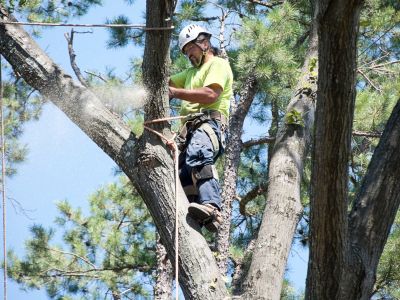
You’ve taken the first steps to avoid over-pruning by using proper techniques, but what if you’re not sure where to start or how to prune your tree effectively? You may need to consult a professional arborist.
They’ll conduct a thorough tree assessment to identify your tree’s specific needs. Based on this assessment, they’ll develop pruning strategies tailored to your tree’s unique requirements.
By hiring a professional, you’ll guarantee your tree receives the right care. They’ll prune your tree correctly, preventing over-pruning and promoting healthy growth.
With their expertise, you can trust that your tree will thrive. Professional arborists have the knowledge and skills to prune your tree effectively, giving you peace of mind and a beautiful, healthy tree.
They’ll help you achieve your tree care goals, and you can enjoy your tree’s beauty for years to come.
Essential Diy Pruning Tips For Healthy Trees
You’ll be pruning with care if you understand how to make the right cuts, and that’s what you’re aiming for.
When you cut correctly, you’re helping your tree grow strong and healthy, so it’s essential you get it right.
You’ll trim safely and effectively if you follow basic guidelines, such as pruning at the right time and using proper equipment.
Prune With Care
Because proper pruning techniques are essential for maintaining a tree’s health, it’s important to prune with care. You’re aiming to promote healthy tree growth.
To do this, consider the following:
- Understand tree anatomy
- Identify dead branches
- Make clean cuts.
By using these pruning techniques, you’ll support your tree’s overall health and encourage strong growth.
You’ll be able to prune with confidence, knowing you’re giving your tree the best chance to thrive.
Cut Correctly
Cutting correctly is essential when pruning a tree, as it helps prevent damage and promotes healthy growth.
You’ll want to use proper pruning techniques to achieve correct pruning. Make clean cuts, and don’t tear the bark. Use the right tools, and consider the tree’s natural shape.
Cut outside the branch collar, and avoid leaving stubs. This helps the tree heal quickly and reduces stress.
By following these pruning techniques, you’ll be able to prune your tree correctly and maintain its health.
Correct pruning is key to a tree’s overall well-being, so take your time and make intentional cuts.
Trim Safely
As you start pruning, it’s vital that you prioritize safety to avoid accidents and potential harm to yourself or others nearby.
You’re taking on tree trimming, so you must consider pruning safety. To trim safely, follow these tips:
- Wear protective gear
- Use sharp tools
- Plan your cuts
You’ll minimize risks and guarantee a successful pruning experience.
Common Pruning Mistakes To Avoid
When you prune a tree, you’re making deliberate cuts to improve its health and appearance, but it’s easy to go too far. You must consider pruning frequency and seasonal timing to avoid over-pruning.
Pruning requires careful consideration to avoid over-pruning and promote healthy tree growth.
Pruning too frequently can stress the tree, while pruning at the wrong time can disrupt its growth. You should prune during the dormant season to minimize harm.
Be cautious not to remove too much foliage, as this can deprive the tree of essential nutrients. It’s also important to make clean cuts, as jagged edges can provide an entry point for diseases.
By being mindful of your pruning techniques, you can avoid common mistakes and help your tree thrive. Remember, pruning is a delicate process that requires attention to detail and a gentle touch to guarantee the tree’s long-term health.
You’re in control of your tree’s well-being.
Creating A Tailored Pruning Plan For Longevity
You’re creating a pruning plan that’ll help your tree thrive, and it’s essential you consider the timing of your prunes.
The type of tree you have also plays a significant role, as different species require unique pruning approaches.
Prune Timing
To create a tailored pruning plan that supports your tree’s longevity, it’s essential that you prune at the right time.
You consider prune schedules and seasonal considerations.
- Dormant season: prune during winter
- Growth season: avoid pruning
- Post-bloom: prune after flowering.
You adjust your plan based on these factors to guarantee your tree’s health and longevity.
Tree Type
As you develop a pruning plan, the type of tree you’re dealing with plays a significant role in determining the best approach, since different species have unique growth patterns and requirements.
You’ll find that deciduous trees and evergreen species have different pruning seasons.
Consider tree growth, stress factors, and nutrient needs when pruning. Soil health and pest resistance also impact your plan.
By understanding these factors, you can create a tailored approach that promotes healthy growth and minimizes damage.
This helps you prune effectively, reducing the risk of over-pruning and ensuring your tree thrives, regardless of its specific needs.
Optimizing Tree Care Through Informed Pruning Decisions
While making informed pruning decisions is essential, over-pruning a tree can have severe consequences, so it’s crucial that you take a strategic approach to tree care.
You’re aiming to boost tree growth and maximize pruning benefits. To do this, consider:
- Pruning during the dormant season to minimize stress
- Removing only dead or damaged branches
- Cutting outside the branch collar to promote healthy healing.
By taking a thoughtful approach, you can support your tree’s overall health and encourage strong growth.
You’ll be able to enjoy the benefits of pruning, like improved air circulation and increased sunlight penetration, without compromising your tree’s well-being.
Frequently Asked Questions
Can I Prune a Tree at Any Time?
You can’t prune a tree at any time; as you’re considering pruning techniques and seasonal considerations, you’ll determine ideal times, usually during dormancy, to avoid damaging the tree’s health.
How Often Should Trees Be Pruned?
You determine pruning frequency based on tree health, using proper pruning techniques to maintain it, typically pruning every 3-5 years, depending on the tree’s species and growth rate.
What Tools Are Best for Pruning?
You’ll use sharp pruning tools, applying proper pruning techniques, and prioritizing pruning safety, to effectively cut branches, Don’t forget gloves, safety glasses, and a first-aid kit nearby, you’re protecting yourself.
Do All Trees Need Regular Pruning?
You determine if your tree needs pruning by evaluating its growth, and you’ll apply various pruning techniques to maintain healthy tree growth, but not all trees require regular pruning, you’ll decide.
Can I Prune a Dead Tree?
You can prune a dead tree, focusing on dead branch removal to improve tree health, but you’re addressing damage, not preventing it, and it won’t revive the tree completely, you’re just maintaining.
Final Thoughts
Over-pruning does more than change a tree’s shape—it can reduce photosynthesis, weaken structural integrity, and leave your tree stressed, slow-growing, and more vulnerable to pests and disease. The best way to protect long-term tree health is to prune with a clear plan, proper timing, and the right technique, so you remove what’s necessary without stripping the tree of the foliage it needs to recover and thrive.
If you’re unsure whether your tree has been over-pruned or you want to prevent costly mistakes, let our team at Tinley Park Tree Service help. We provide professional tree pruning service and tree trimming service to keep your trees safe, healthy, and looking their best. Contact us today to request a quote through our contact page.